


 русский
 Español
 Deutsch
 عربى

Industry News


Avoiding Connection Mismatches: A Guide to Hydrant Hose Adapters
 2026.11.13
 Industry News
Content
- 1 1. Why Do Hydrant Hose Connection Mismatches Occur?
- 2 2. Identify Both Connection Ends Before Ordering
- 3 3. Which Adapter Configurations Are Used in Fire Protection?
- 4 4. Material and Pressure Ratings Should Not Be Overlooked
- 5 5. A Practical Procurement Checklist for Hydrant Adapters
- 6 6. How Honghe Supports Hydrant Adapter Procurement
- 7 Frequently Asked Questions
A fire hydrant installation may have suitable water pressure and a properly sized hose, but an incompatible connection can still prevent the equipment from being assembled correctly. Differences in thread standards, outlet dimensions, and coupling structures often create challenges for contractors and international firefighting equipment buyers.
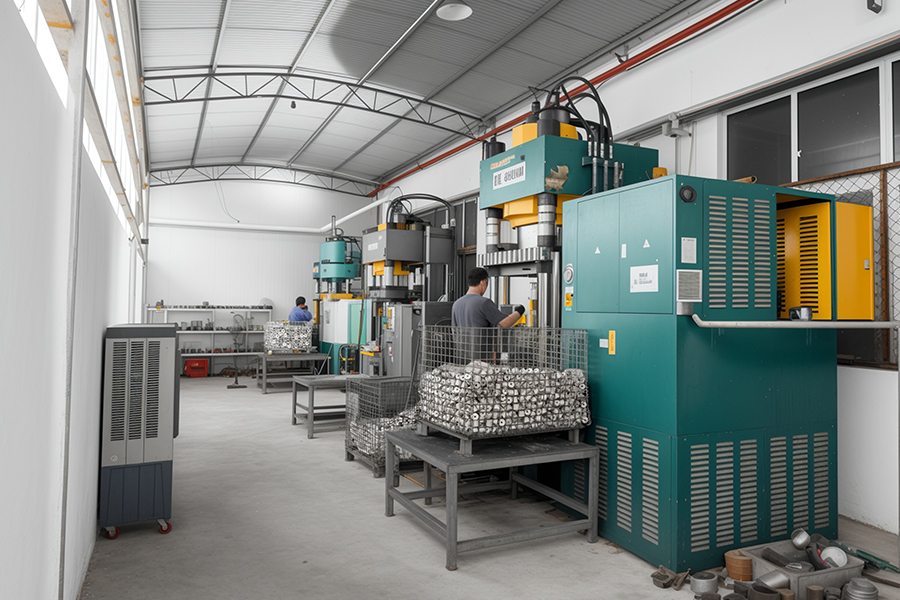
At Zhejiang Taizhou Honghe Technology Co., Ltd., we manufacture firefighting adapters, hose couplings, and hydrant accessories for different connection requirements. We understand that purchasing teams need to identify the correct interface before confirming an order. A suitable water hydrant hose adapter should match both the hydrant outlet and the connected hose assembly, rather than relying on nominal diameter alone.
1. Why Do Hydrant Hose Connection Mismatches Occur?
Connection problems commonly arise when equipment from different regions or manufacturers is combined within the same fire protection system. Similar-looking fittings may follow different dimensional standards.
Several factors deserve attention:
- Thread differences: BSP, NPT, and NH/NST threads have different dimensional specifications.
- Connection structures: Storz, threaded, and instantaneous couplings use different engagement mechanisms.
- Size variations: Matching nominal diameters do not necessarily guarantee matching connection dimensions.
- Sealing differences: Gasket positions and sealing surfaces may vary between fitting designs.
These issues are particularly relevant to export projects, replacement equipment purchases, and fire protection system upgrades.
2. Identify Both Connection Ends Before Ordering
Accurate identification is the foundation of adapter procurement. Buyers should collect information about the hydrant outlet and the hose-side connection separately.
Hydrant-Side Specifications
The hydrant outlet determines the adapter's base connection. Procurement teams should check its thread type, nominal size, male or female configuration, and outlet design.
Hose-Side Specifications
The opposite end must match the hose coupling. It may use a threaded interface or a quick-connect structure such as Storz. Buyers should also confirm the required connection orientation and sealing arrangement.
| Information | What to Verify |
| Hydrant outlet | Thread type, diameter, and connection gender |
| Hose connection | Coupling standard and locking structure |
| Adapter dimensions | Both connection-end measurements |
| Sealing system | Gasket type, dimensions, and seating position |
| Operating conditions | Pressure rating and temperature requirements |
3. Which Adapter Configurations Are Used in Fire Protection?
Different projects require different transition arrangements. Common configurations include:
- Thread-to-thread adapters: Connect equipment using different specified thread interfaces.
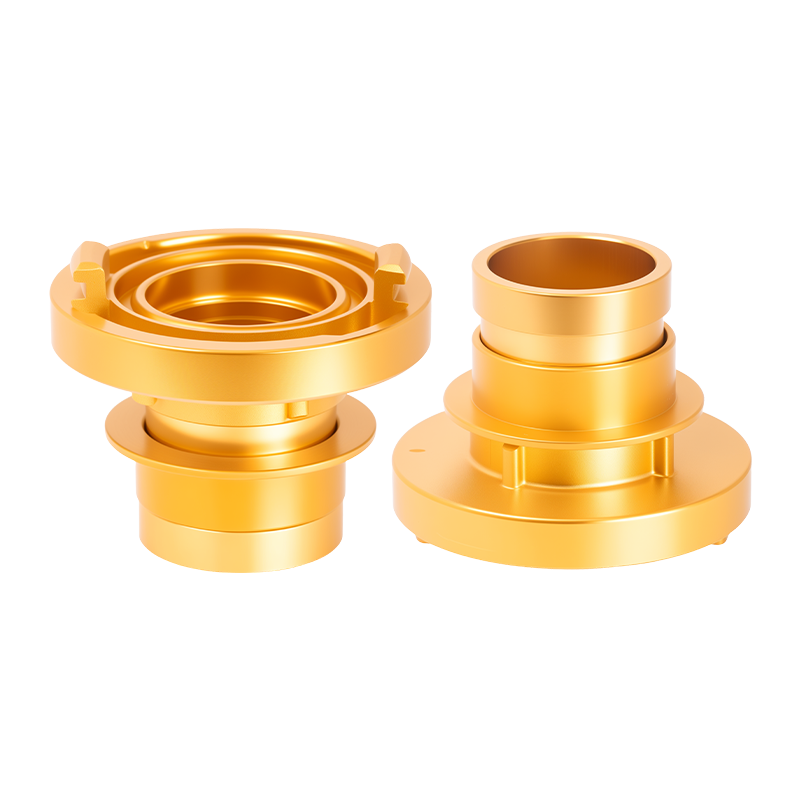
- Thread-to-Storz adapters: Provide a transition between threaded hydrant outlets and Storz hose connections.
- Reducing adapters: Connect fittings with different nominal sizes, subject to hydraulic requirements.
- Male-to-female adapters: Address different connection genders within an existing installation.
At Honghe, our product range includes aluminum alloy and brass adapters, with different connection arrangements available according to customer requirements. We also support customized configurations based on technical drawings and physical samples.
4. Material and Pressure Ratings Should Not Be Overlooked
Physical compatibility does not automatically establish suitability for operation. The adapter must withstand the pressure and environmental conditions specified for the fire protection system.
Buyers should consider the following details:
- Material: Aluminum alloy offers a relatively lightweight structure, while brass provides different mechanical and corrosion characteristics.
- Surface treatment: Anodizing or electroplating may be specified according to material and application.
- Pressure rating: Confirm that the adapter is suitable for the intended operating and test conditions.
- Gasket material: Verify compatibility with the operating environment and required sealing performance.
We recommend checking the documented ratings of the complete connection assembly, including the hydrant, adapter, hose coupling, and sealing components.
5. A Practical Procurement Checklist for Hydrant Adapters
Before requesting a quotation, purchasing teams can prepare a technical checklist to reduce repeated specification discussions.
- Record the hydrant outlet size and connection standard.
- Identify the hose-side coupling type.
- Confirm male and female connection requirements.
- Provide thread measurements or dimensional drawings.
- Specify material and surface treatment preferences.
- Confirm operating pressure and relevant testing requirements.
- Provide photographs or samples of existing fittings where available.
Clear specifications help manufacturers review the proposed structure before production and reduce the possibility of receiving fittings that cannot match the existing installation.
6. How Honghe Supports Hydrant Adapter Procurement
At Zhejiang Taizhou Honghe Technology Co., Ltd., we focus on firefighting equipment manufacturing, including fire hose adapters, couplings, hydrant fittings, and related accessories.
Our team works with overseas distributors, equipment suppliers, and project buyers who require different connection configurations. We can review technical drawings, samples, and dimensional requirements to discuss suitable adapter designs.
Customers can also communicate their preferred materials, surface treatments, and product specifications during the quotation process. This helps us coordinate manufacturing requirements with the intended application.
Frequently Asked Questions
1. Can one hydrant adapter fit different hose connection standards?
A universal adapter should not be assumed. Each configuration must be designed for specific connection standards and dimensions. A suitable transition adapter can connect different systems when its specifications are verified.
2. How can buyers identify an existing hydrant outlet?
Check the outlet markings, thread dimensions, nominal size, and connection structure. Photographs and dimensional measurements can help manufacturers identify the required adapter configuration.
3. Are aluminum alloy adapters suitable for outdoor fire protection installations?
Aluminum alloy is commonly used in firefighting fittings because of its relatively low weight and corrosion resistance. The alloy grade, surface treatment, and operating environment should still be considered.
4. Can Honghe manufacture adapters according to customer drawings?
Yes. We can review customer drawings or physical samples to discuss customized dimensions, connection structures, materials, and manufacturing requirements.
Related Products

-
 (+86) 18968568369
Give Us A Call
-
 [email protected]
Drop Us a Line
-
 No. 32, Mechanical and Electrical Industrial Park, Donghai Avenue, Yuhuan City

Zhejiang Taizhou Honghe Technology Co., Ltd. is an emerging enterprise focusing on the research and development, production and sales of fire fighting equipment.
© 2025 Zhejiang Taizhou Honghe Technology Co., Ltd.
Storz Coupling & Firefighting Equipment Factory
