


 русский
 Español
 Deutsch
 عربى
عربى
Home / News / Industry News / Fire Hose Reducing Adapter Factory Leakage Control And Sealing Structure
Industry News


Fire Hose Reducing Adapter Factory Leakage Control And Sealing Structure
 2026.04.17
 Industry News
Content
Role in Hose Connection Systems
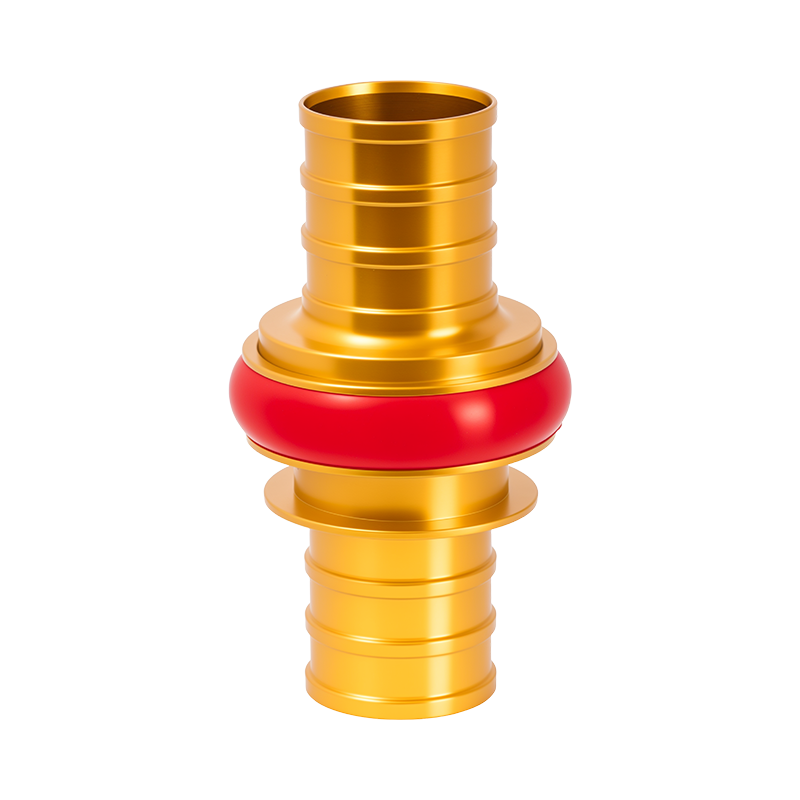
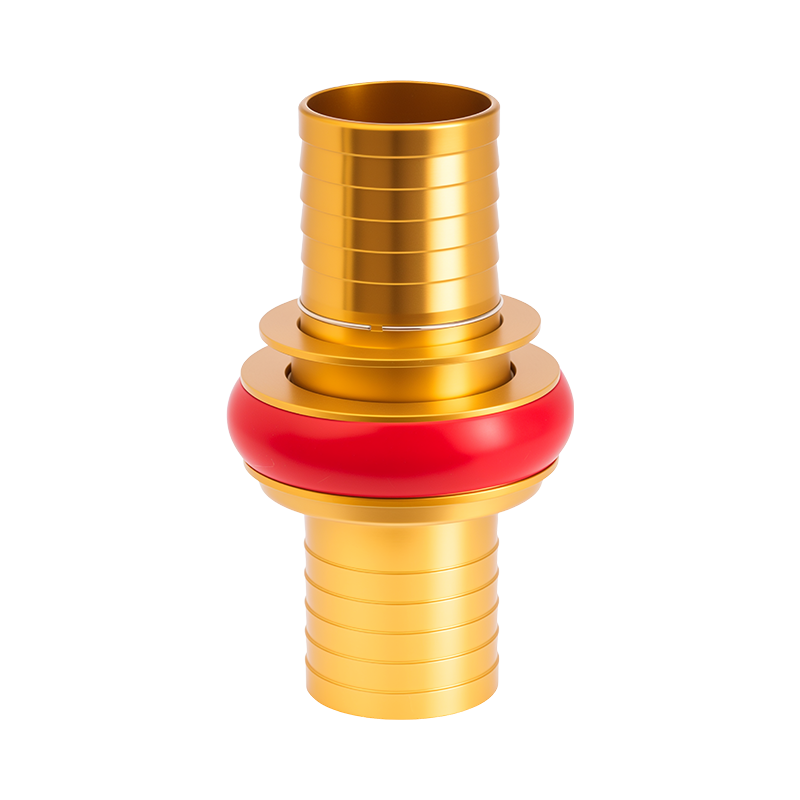
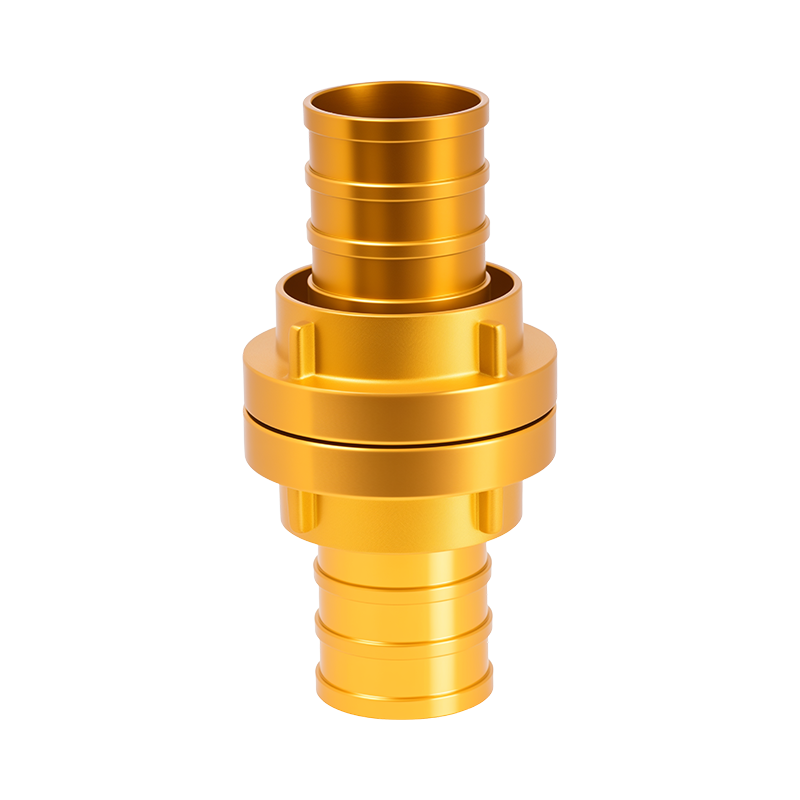
Firefighting pipelines often involve different hose diameters across pumps, valves, and nozzle terminals. The Fire Hose Reducing Adapter functions as a transition component that connects mismatched hose sizes within a unified water delivery line.
In many installations, the Fire Hose Reducing Adapter Factory produces fittings designed to support stable flow transfer between large and smaller hose sections. This allows existing systems to remain compatible without replacing entire pipeline sections.
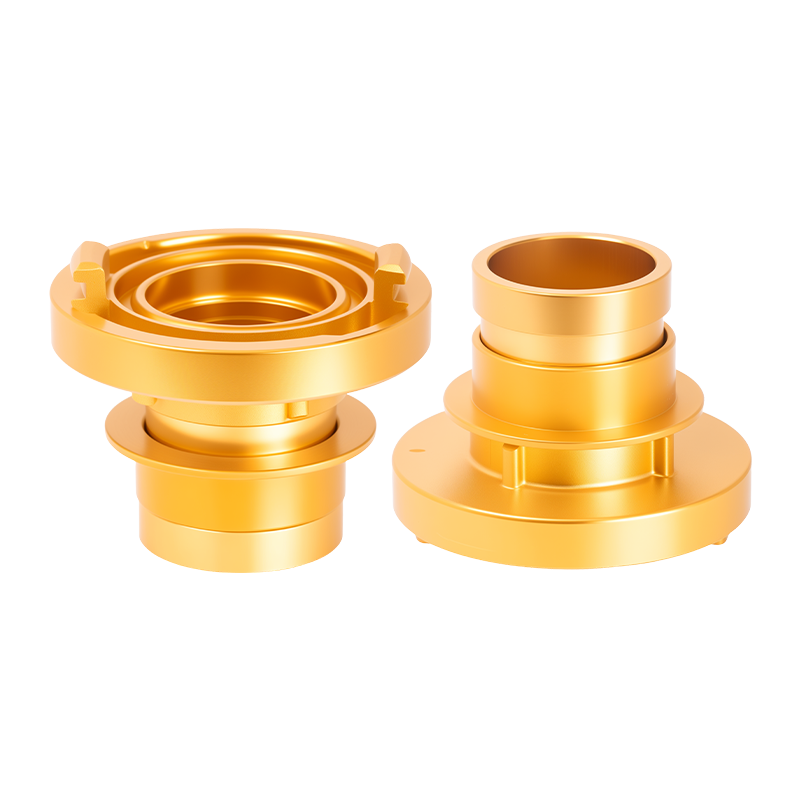
The structure typically includes threaded or quick-connect interfaces that align with standard firefighting coupling systems, allowing integration into both fixed and mobile hose assemblies.

Structural Design and Material Engineering
Material selection directly affects durability in high-pressure water environments. The Fire Hose Reducing Adapter Factory commonly uses aluminum alloy and brass for production due to their resistance to corrosion and mechanical wear.
CNC machining is used to control thread accuracy and surface uniformity. This supports tight coupling between connected hose ends, reducing movement at connection points during water discharge.
The Fire Hose Reducing Adapter also incorporates sealing geometry that helps maintain stable internal flow transitions between different hose diameters. Surface treatment, such as anodizing or electroplating,g is applied to improve resistance against long-term exposure to moisture and chemical residues.
Flow Transition and System Compatibility
One operational challenge in fire hose networks is pressure variation when moving between different pipe sizes. The Fire Hose Reducing Adapter is designed to reduce abrupt flow disruption during these transitions.
Within a Fire Hose Reducing Adapter Factory, testing includes flow path simulation to evaluate how water behaves when passing through diameter changes. This supports consistent performance when integrated into mixed hose systems.
In practical deployment, the adapter supports connections between pumps, branch pipes, and nozzles without requiring full system redesign. This makes it suitable for expanding or modifying existing firefighting networks.
Manufacturing Process and Quality Control Approach
Production inside a Fire Hose Reducing Adapter Factory follows a structured sequence including raw material preparation, CNC machining, threading, surface treatment, and assembly inspection.
Thread calibration is a key step. The Fire Hose Reducing Adapter requires precise alignment between male and female interfaces to prevent misfit during high-pressure operation.
Each batch is evaluated through pressure circulation testing to observe sealing stability under continuous water flow. The Fire Hose Reducing Adapter Factory also performs dimensional checks to maintain compatibility across different coupling standards used in industrial and municipal systems.
Connection Systems and Functional Integration
Fire hose systems rely on modular components for flexibility. The Fire Hose Reducing Adapter plays a role in linking different pipeline sections without interrupting the system layout.
The Fire Hose Reducing Adapter Factory produces multiple configuration types, including threaded, swivel, and quick-lock designs. These variations support different installation environments where rotation control or rapid disassembly is required.
In emergency response setups, adapters are often used between pump outlets and hose lines, allowing operators to connect different hose sizes within a single operational flow path.
Role in Modular Firefighting Infrastructure
Modern firefighting systems rely on modular components to adjust to different operational layouts. The Fire Hose Reducing Adapter functions as a structural link in this modular approach.
The Fire Hose Reducing Adapter Factory continues to refine machining precision and compatibility standards, supporting integration with diverse hose networks used in industrial and municipal applications.
Within this system architecture, the adapter serves as a transition node, connecting varied pipeline segments into a unified water delivery structure without altering existing infrastructure layout.
Related Products

-
 (+86) 18968568369
Give Us A Call
-
 [email protected]
Drop Us a Line
-
 No. 32, Mechanical and Electrical Industrial Park, Donghai Avenue, Yuhuan City

Zhejiang Taizhou Honghe Technology Co., Ltd. is an emerging enterprise focusing on the research and development, production and sales of fire fighting equipment.
© 2025 Zhejiang Taizhou Honghe Technology Co., Ltd.
Storz Coupling & Firefighting Equipment Factory
