


 русский
 Español
 Deutsch
 عربى
عربى
Industry News


How Does A Fire Hose Coupling Factory Manage Inspection Processes?
 2026.02.20
 Industry News
Content
Fire hose couplings are essential components in firefighting systems, linking hoses to pumps, hydrants, or nozzles. Without reliable couplings, water flow may be interrupted, reducing firefighting efficiency. A Fire Hose Coupling Factory focuses on producing couplings that maintain stable performance under varying pressures and conditions. For field operations, such as forestry and firefighting, couplings need to withstand repeated connection and disconnection while remaining lightweight and portable.
How Manufacturing Affects Coupling Reliability
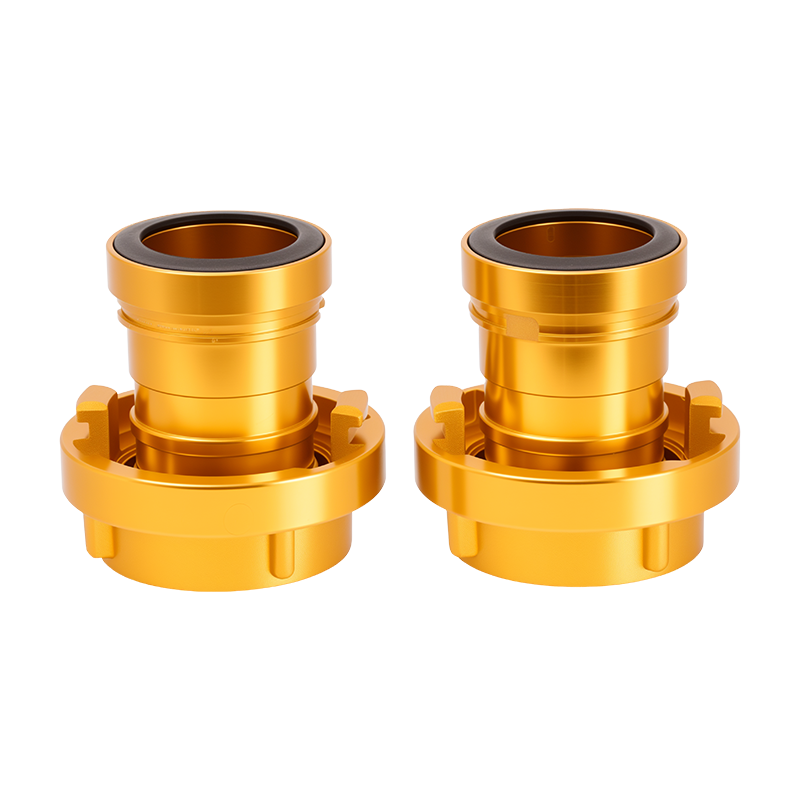
The production process in a Fire Hose Coupling Factory directly influences coupling reliability. Precision machining ensures that each piece meets tight dimensional tolerances, allowing couplings from different batches to remain compatible. Material selection is critical—high-strength alloys or corrosion-resistant metals are often chosen to withstand environmental stress. Factories typically implement inspection procedures, such as pressure testing and dimensional verification, to guarantee consistent quality.
Advantages of Instantaneous Couplings
Instantaneous fire couplings are widely used because they allow quick assembly without extensive threading. In emergency scenarios, every second counts, and these couplings reduce connection time and physical effort. A Fire Hose Coupling Factory ensures that the lugs, hooks, and locking mechanisms meet strict specifications so firefighters can operate effectively, even with gloves or limited visibility.
Choosing the Right Coupling
Selecting a coupling involves multiple considerations. Hose diameter, connection frequency, and operational environment all influence the decision. Fire Hose Coupling Manufacturers offer couplings in various sizes and materials to match different firefighting scenarios. A well-chosen coupling minimizes leakage, eases handling, and integrates smoothly with existing equipment.
Quality Control Practices
Quality control is a cornerstone in a Fire Hose Coupling Factory. Each coupling undergoes visual inspection, pressure simulation, and functional testing. This step ensures that both forestry hose couplings and instantaneous couplings perform reliably. Regular quality audits in the factory help maintain consistency across production runs, reducing the risk of malfunction in real-world applications.

Extending Service Life Through Maintenance
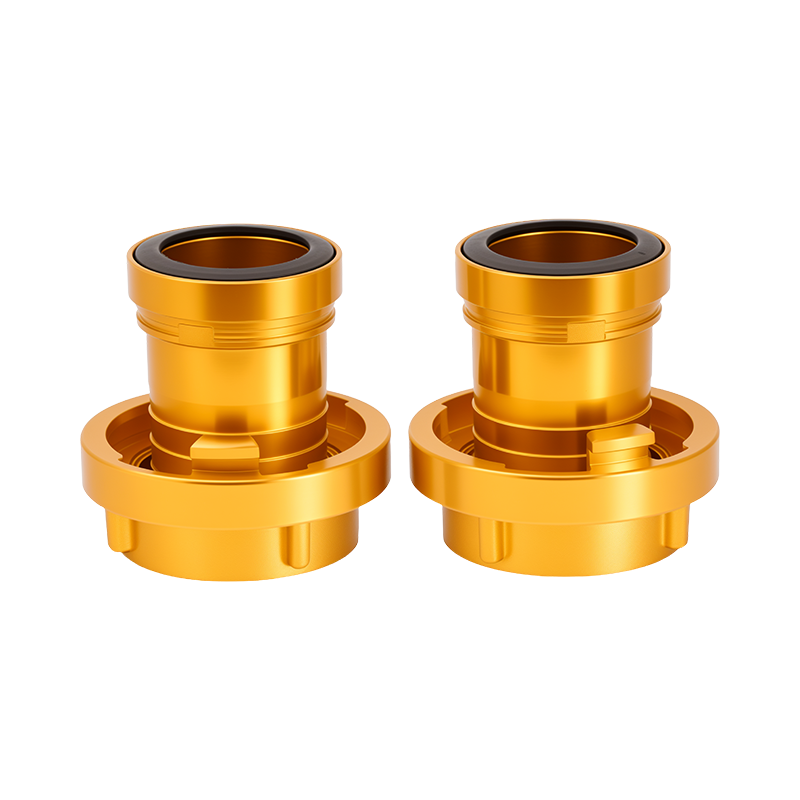
Maintenance begins with inspection. Couplings should be checked for wear, deformation, or debris that might interfere with sealing performance. Fire Hose Coupling Factory guidelines often recommend cleaning after use and proper storage to prevent corrosion or environmental damage. Following these practices extends service life and keeps water delivery uninterrupted during critical operations.
Specialized Couplings for Field Operations
Forestry hose couplings are designed for outdoor, often rugged, environments. They are lightweight, easy to transport, and capable of repeated use without excessive wear. Factories focus on producing couplings that balance durability with portability, supporting firefighters in remote or uneven terrain. The right coupling reduces fatigue and allows faster response times during forest fires or wildland operations.
Fire hose couplings are vital to firefighting operations. A Fire Hose Coupling Manufacturer plays a critical role by producing reliable, consistent, and easy-to-use couplings. From careful material selection to precise machining, quality control, and design optimization, these factories address real operational challenges. Regular maintenance further ensures that couplings perform reliably over time, helping firefighting teams respond effectively in diverse environments.
Related Products


-
 (+86) 18968568369
Give Us A Call
-
 [email protected]
Drop Us a Line
-
 No. 32, Mechanical and Electrical Industrial Park, Donghai Avenue, Yuhuan City

Zhejiang Taizhou Honghe Technology Co., Ltd. is an emerging enterprise focusing on the research and development, production and sales of fire fighting equipment.
© 2025 Zhejiang Taizhou Honghe Technology Co., Ltd.
Storz Coupling & Firefighting Equipment Factory
