


 русский
 Español
 Deutsch
 عربى
عربى
Home / News / Industry News / Adapter Coupling Trends: Meeting New Demands in Fluid Connection Systems
Industry News


Adapter Coupling Trends: Meeting New Demands in Fluid Connection Systems
 2026.08.07
 Industry News
Content
Modern fluid transfer systems are becoming more complex as industries require faster installation, broader compatibility, and safer connection methods. From firefighting equipment and industrial pipelines to water delivery systems and specialty machinery, connection components play an important role in maintaining stable fluid flow. Among these components, Adapter Coupling Equipment is gaining attention because it helps connect different hose types, pipe sizes, and interface standards without replacing the entire system.
The development of coupling technology is closely related to changing application requirements. Industries are no longer looking only for basic connection functions; they need solutions that can adapt to different working environments, pressure conditions, and operational requirements. Fire hose connection standards, for example, include requirements for coupling sizes, adapters, and connection performance to ensure compatibility between equipment.

Why Adapter Coupling Equipment Is Becoming More Important
Traditional connection systems often require matching components from the same standard or manufacturer. However, modern projects frequently combine equipment from different regions and suppliers. This creates a demand for flexible connection solutions that can bridge differences between systems.
- Cross-standard compatibility: Adapter couplings allow hoses, pipes, and equipment with different connection formats to work together.
- Reduced replacement requirements: Existing systems can be upgraded by adding adapters instead of changing complete pipelines.
- Improved equipment flexibility: One connection solution can support multiple applications and operating environments.
For industries such as firefighting, marine systems, agriculture, and industrial fluid handling, connection reliability is directly linked to operational safety. Standards such as NFPA 1960 cover requirements for fire hose couplings and adapters in various sizes, showing the importance of standardized connection performance.
New Design Directions of Adapter Coupling Systems
The latest generation of Adapter Coupling Equipment focuses on improving adaptability while maintaining mechanical strength. Manufacturers are exploring different materials, locking structures, and sealing technologies to meet more demanding working conditions.
1. Lightweight Materials for Easier Handling
Weight reduction has become an important consideration, especially for portable equipment and emergency response applications. Aluminum alloy is widely used in many coupling products because it combines low weight with good corrosion resistance.
- Aluminum alloy body construction can reduce transportation and installation load.
- Surface treatments such as anodizing can improve resistance against oxidation.
- Suitable designs can maintain pressure capability while reducing overall equipment weight.
2. Improved Sealing Structures
Leak prevention is a key factor in fluid connection systems. Modern adapter coupling designs often include precision-machined sealing surfaces and reinforced gasket structures.
| Design Feature | Typical Application Benefit |
| Rubber gasket sealing | Helps reduce leakage during pressurized operation |
| Precision locking mechanism | Provides stable connection between different components |
| Corrosion-resistant materials | Supports outdoor and harsh environment applications |
Applications Expanding Beyond Traditional Fluid Connections
The application range of Adapter Coupling Equipment continues to expand as industries adopt modular connection systems. Different sectors have unique requirements, which encourage manufacturers to develop specialized coupling solutions.
Fire Protection Systems
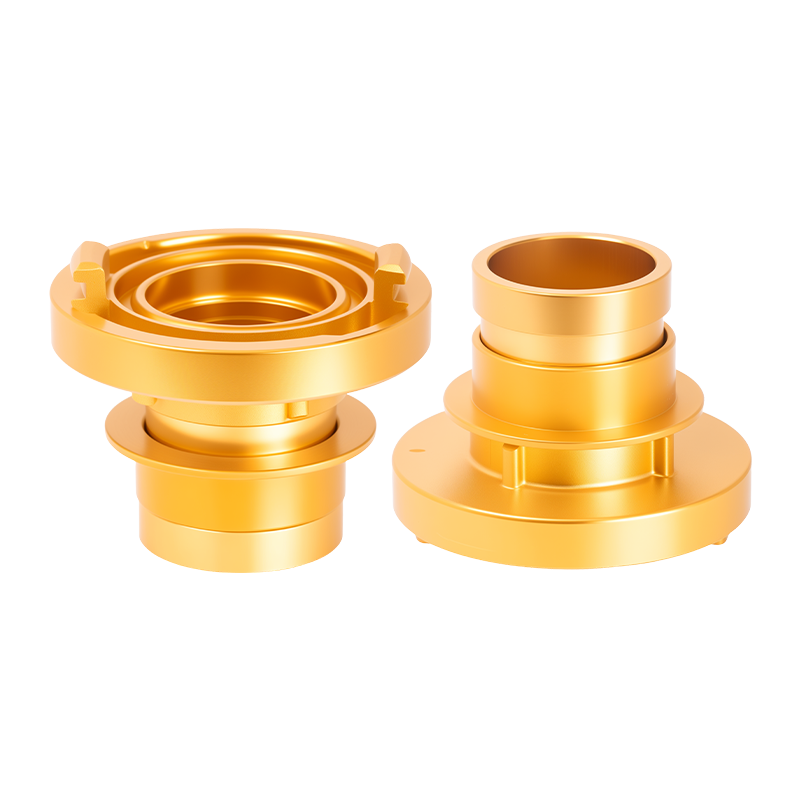
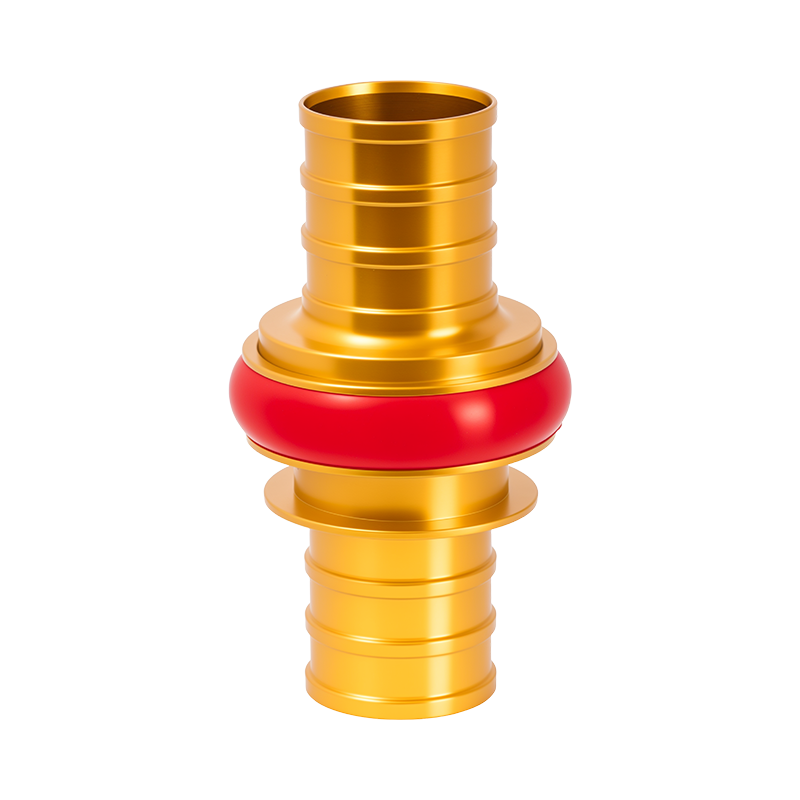
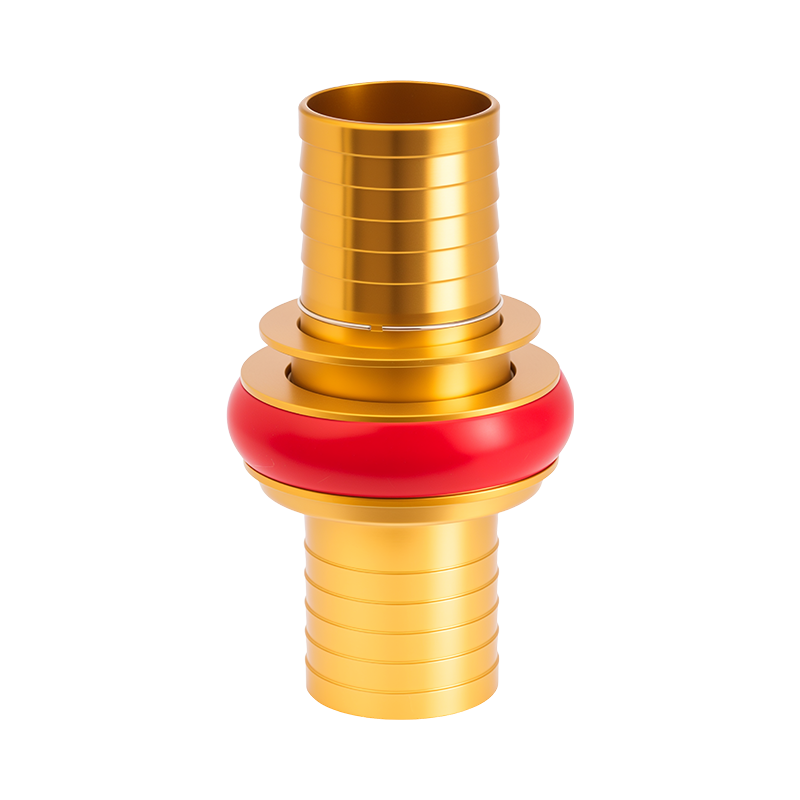
Firefighting systems often require quick connection and reliable water delivery. Adapter couplings can connect hoses, hydrants, pumps, and other equipment with different interfaces. Fire hose coupling specifications commonly cover connection sizes, threads, adapters, and related components to maintain system compatibility.
Industrial Fluid Transfer
Factories and processing facilities use various pipelines and equipment from different suppliers. Adapter coupling solutions help integrate new machinery into existing systems while reducing installation complexity.
Agricultural and Irrigation Equipment
Agricultural water systems frequently require flexible hose connections because equipment layouts may change according to field conditions. Durable coupling products provide convenient connection options for pumps, hoses, and water distribution systems.
Key Parameters Buyers Consider in Adapter Coupling Equipment
Purchasers usually evaluate several technical factors before integrating adapter coupling products into their systems. Performance depends on material selection, connection structure, and operating conditions.
| Parameter | Common Range or Consideration | Impact on Application |
| Material | Aluminum alloy, stainless steel, brass, composite materials | Determines weight, corrosion resistance, and durability |
| Connection Size | Various hose and pipe diameter options | Ensures compatibility with existing equipment |
| Working Pressure | Based on application requirements | Affects safety and operating reliability |
| Operating Temperature | Depends on sealing materials and environment | Influences long-term performance |
Future Trends in Coupling Technology
The future development of coupling systems is moving toward smarter, safer, and more adaptable designs. Users are looking for products that can support changing equipment configurations while maintaining dependable performance.
- Modular connection concepts: More systems will use interchangeable components to simplify upgrades.
- Advanced material applications: New alloys and surface treatments will improve service life.
- Higher compatibility requirements: Global projects will continue increasing demand for versatile adapters.
Digital manufacturing and improved testing methods are also influencing coupling production. More accurate machining processes help create consistent connection performance, while quality inspection methods support safer operation in demanding environments.
The role of Adapter Coupling Equipment is expanding as industries require more flexible and reliable fluid connection solutions. Modern coupling designs are not only focused on connecting two components but also on supporting diverse systems, reducing installation challenges, and improving operational adaptability.
With advancements in lightweight materials, sealing technology, and modular designs, adapter coupling solutions will continue to support applications ranging from firefighting systems to industrial fluid transfer networks. As connection requirements become more diverse, adaptable coupling technology will remain an important part of future infrastructure development.
Related Products

-
 (+86) 18968568369
Give Us A Call
-
 [email protected]
Drop Us a Line
-
 No. 32, Mechanical and Electrical Industrial Park, Donghai Avenue, Yuhuan City

Zhejiang Taizhou Honghe Technology Co., Ltd. is an emerging enterprise focusing on the research and development, production and sales of fire fighting equipment.
© 2025 Zhejiang Taizhou Honghe Technology Co., Ltd.
Storz Coupling & Firefighting Equipment Factory
