


 русский
 Español
 Deutsch
 عربى
عربى
Industry News


Fire Hose Fittings Evolve With Changing Emergency Response Needs
 2026.08.28
 Industry News
Content
- 1 Changing Requirements Behind Modern Fire Hose Fittings
- 2 New Design Trends Reshaping Fire Hose Fitting Applications
- 3 How Different Fitting Designs Match Various Applications
- 4 Technical Factors Influencing Fire Hose Fitting Performance
- 5 Beyond Fire Trucks: Expanding Uses of Water Hose Fittings
- 6 Future Development Directions of Fire Hose Fittings
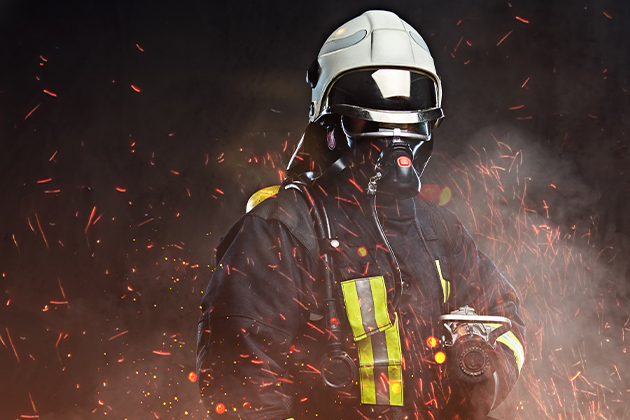
Emergency response systems are facing new challenges as firefighting operations become more complex, equipment configurations become more diverse, and response teams require faster deployment methods. A reliable connection between hoses, pumps, hydrants, and other water delivery equipment is essential during critical situations. As a result, Firefighting Water Hose Fitting technology is continuously evolving to meet changing operational requirements.
Traditional hose fittings mainly focused on creating a secure connection between two components. Modern designs now consider additional factors such as compatibility between different systems, lightweight construction, connection speed, pressure performance, and adaptability in different environments. Fire hose fittings are commonly classified by connection type, function, and thread standard, including adapters, couplings, reducers, and specialized connection components.
This evolution reflects a broader shift in emergency equipment design. Fire departments, industrial emergency teams, and municipal protection systems increasingly require components that support efficient water delivery while maintaining stable performance under demanding conditions.
Changing Requirements Behind Modern Fire Hose Fittings
The development of Firefighting Water Hose Fitting products is closely connected with changes in firefighting methods. Modern response teams may use different hose diameters, pump systems, and connection standards depending on the application. A fitting that works well in one environment may not always match another system.
- Greater connection flexibility: Modern fittings need to connect different hoses, valves, pumps, and water sources.
- Faster deployment requirements: Emergency equipment must support quick setup during time-sensitive operations.
- Improved field reliability: Components need to maintain stable performance despite vibration, pressure changes, and outdoor exposure.
Fire hose connection standards vary between regions, and many systems rely on recognized specifications to maintain compatibility. For example, NFPA-related requirements are widely referenced for fire hose threads and connection components in North America.
New Design Trends Reshaping Fire Hose Fitting Applications
1. Lightweight Materials Improve Equipment Mobility
One noticeable trend in firefighting equipment is the increased use of lightweight materials. Aluminum alloy has become a common option for many coupling and fitting products because it provides a balance between weight reduction and mechanical performance.
Compared with traditional heavier materials, aluminum-based fittings can reduce handling difficulty, especially for large-size hose systems. This advantage is valuable for mobile firefighting units where equipment must be transported and installed quickly.
- Lower transportation load for portable firefighting equipment.
- Better handling experience during emergency deployment.
- Suitable for outdoor applications with proper surface treatment.
2. Quick Connection Structures Support Emergency Operations
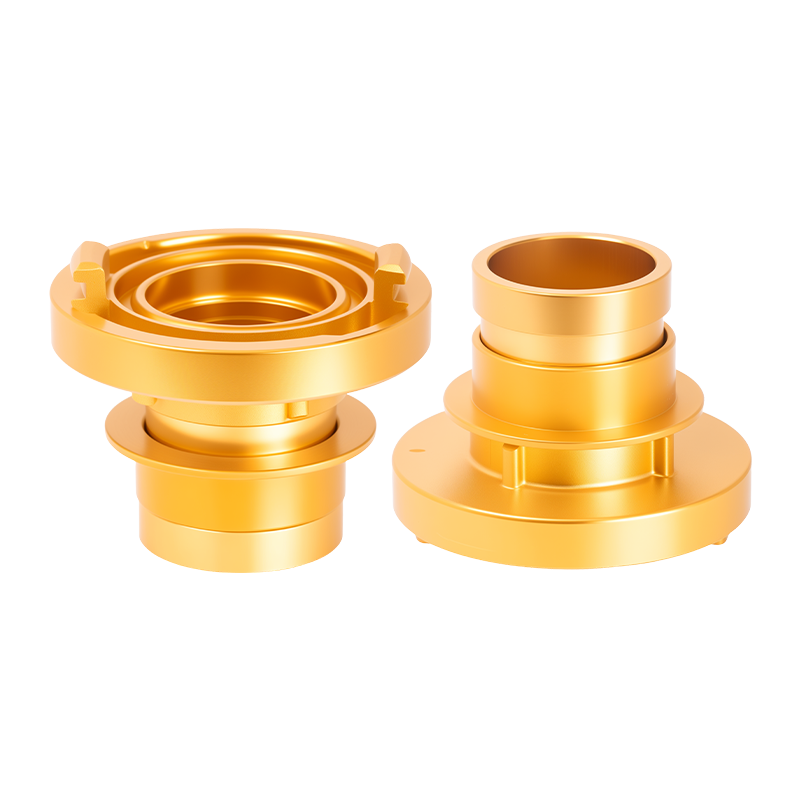
Connection speed has become a key consideration in emergency equipment design. Traditional threaded fittings provide secure connections but may require more time for installation. Quick-connect systems, such as Storz-style connections, provide an alternative approach by allowing operators to connect hoses through a simple alignment and rotation process.
Modern Firefighting Water Hose Fitting products increasingly combine quick operation with secure locking structures to reduce connection problems during high-pressure water delivery.
How Different Fitting Designs Match Various Applications
Different firefighting scenarios require different connection solutions. The choice of fitting depends on hose size, water flow requirements, equipment type, and local standards.
| Fitting Type | Typical Application | Design Characteristics |
| Threaded Hose Fitting | Hydrant systems and traditional fire equipment | Secure threaded connection with standard compatibility |
| Storz Coupling | Large-diameter hoses and rapid deployment systems | Symmetrical quick connection design |
| Adapter Fitting | Different hose or equipment interfaces | Bridges connection differences between systems |
| Reducer Fitting | Flow transition between different hose sizes | Allows connection between different diameters |
Technical Factors Influencing Fire Hose Fitting Performance
Selecting suitable hose fittings requires attention to several technical details. A well-designed fitting must match the operating environment while maintaining reliable water transfer performance.
Material and Surface Treatment
Material selection affects weight, corrosion resistance, and service life. Common materials include aluminum alloy, brass, stainless steel, and engineered plastics. Aluminum and brass are widely used in firefighting connection products because they provide practical durability for different applications.
Connection Size and Compatibility
Hose diameter and connection standard directly influence system performance. Common firefighting hose fitting sizes include small attack hose connections and larger supply hose connections used for high-volume water transfer.
| Parameter | Common Consideration | Influence on Operation |
| Material | Aluminum alloy, brass, stainless steel | Affects weight and corrosion resistance |
| Connection Diameter | Matches hose and equipment specifications | Determines flow compatibility |
| Locking Structure | Threaded, lug, or quick-connect design | Impacts connection speed and stability |
| Pressure Capability | Based on application requirements | Supports safe water delivery |
Beyond Fire Trucks: Expanding Uses of Water Hose Fittings
Although firefighting vehicles remain a major application area, hose fitting technology is also used in industrial and municipal environments. Many facilities require emergency water systems that can connect quickly with pumps, storage tanks, and temporary pipelines.
- Industrial emergency systems: Used for temporary water supply during equipment incidents.
- Municipal protection networks: Supports connections between hydrants and firefighting equipment.
- Construction and remote sites: Provides flexible water delivery options where permanent systems are unavailable.
Future Development Directions of Fire Hose Fittings
The next stage of hose fitting development will focus on improving adaptability, connection safety, and equipment integration. As emergency systems become more specialized, users will expect fittings that support different operational scenarios without increasing complexity.
Several development trends are gaining attention:
- Multi-standard compatibility: Products may support more connection formats for international applications.
- Enhanced locking technology: Improved structures can provide more secure connections during operation.
- Advanced manufacturing processes: Precision machining and quality control can improve consistency.
The evolution of Firefighting Water Hose Fitting reflects the changing needs of modern emergency response systems. From lightweight materials and quick connection structures to improved compatibility and technical performance, today’s fittings are designed to support more flexible firefighting operations.
As emergency equipment continues to develop, hose fittings will remain an important connection point between water sources, hoses, and firefighting tools. Future designs will continue focusing on adaptability, reliability, and practical operation in challenging environments.
Related Products

-
 (+86) 18968568369
Give Us A Call
-
 [email protected]
Drop Us a Line
-
 No. 32, Mechanical and Electrical Industrial Park, Donghai Avenue, Yuhuan City

Zhejiang Taizhou Honghe Technology Co., Ltd. is an emerging enterprise focusing on the research and development, production and sales of fire fighting equipment.
© 2025 Zhejiang Taizhou Honghe Technology Co., Ltd.
Storz Coupling & Firefighting Equipment Factory
