


 русский
 Español
 Deutsch
 عربى
عربى
Industry News


How Does a Hydrant Cap Factory Support Urban Fire Protection Systems?
 2026.05.25
 Industry News
Content
- 1 Material Selection and Casting Process
- 2 Machining and Thread Accuracy
- 3 Protective Coating and Corrosion Resistance
- 4 Assembly and Accessory Integration
- 5 Quality Inspection and Pressure Testing
- 6 Applications in Municipal and Industrial Systems
- 7 Structured Production Behind a Small Fire Protection Component
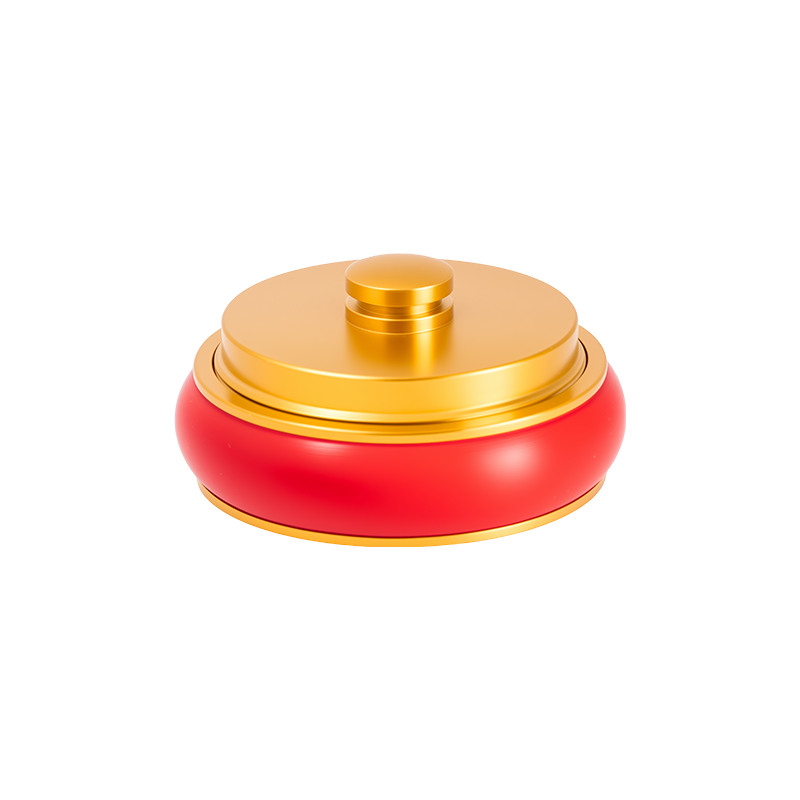
Urban fire protection systems depend on many connected parts working together under demanding conditions. While hydrant bodies and valves receive a lot of attention, smaller components such as caps also play an important role in protecting water outlets from dirt, damage, and unauthorized access. A Hydrant Cap Factory focuses on producing these protective components for municipal and industrial systems.
Rather than functioning as decorative accessories, hydrant caps are designed to support sealing, durability, and compatibility with hydrant connection standards. A Hydrant Cap Factory works through several controlled stages to achieve these requirements.
Material Selection and Casting Process
The production process usually begins with material preparation. Cast iron, ductile iron, brass, and aluminum alloys are commonly selected depending on regional standards and application conditions.
Inside a Hydrant Cap Factory, raw materials are melted and shaped through casting or forging methods. Mold design influences thread accuracy and external dimensions, both of which affect how the cap fits onto hydrant outlets.
After casting, excess material is removed and surfaces are cleaned before moving into machining operations. Consistent material density is important because hydrant caps may remain exposed to outdoor environments for long periods.
Machining and Thread Accuracy
Thread precision is one of the important stages in production. A Hydrant Cap Factory uses machining equipment to shape internal threads that match hydrant outlet specifications.
If thread alignment is inconsistent, the cap may become difficult to install or remove during maintenance or emergency use. To reduce this risk, dimensional inspections are carried out during machining.
Surface finishing may also be applied after threading. This can include polishing, coating, or protective painting depending on environmental exposure conditions.
Protective Coating and Corrosion Resistance
Hydrant systems are often exposed to rain, dust, sunlight, and temperature changes. Because of this, a Hydrant Cap Factory usually applies protective coatings to improve corrosion resistance.
Powder coating and epoxy finishes are commonly used to reduce surface deterioration over time. Some industrial applications may also require additional treatment for coastal or chemical exposure environments.
Color coding is another factor considered during finishing. Different colors may help identify hydrant categories or maintenance classifications within municipal systems.
Assembly and Accessory Integration
Some hydrant caps include chains, gaskets, or locking features. During assembly, these accessories are attached according to product specifications.
A Hydrant Cap Factory may also produce custom cap designs for regional fire protection systems where thread patterns or dimensions differ from standard models.
Gasket installation is important because sealing performance helps prevent dust, insects, or moisture from entering hydrant outlets when not in use.
Quality Inspection and Pressure Testing
Before packaging, products go through inspection procedures. A Hydrant Cap Factory checks dimensions, thread accuracy, coating condition, and assembly quality.
In some production lines, sample caps are fitted onto hydrant connectors to verify compatibility. Surface defects such as cracks or uneven coating are also inspected before shipment.
Durability testing may include exposure simulations for moisture and temperature variation to evaluate coating behavior over time.
Applications in Municipal and Industrial Systems
Hydrant caps are widely used in city streets, industrial parks, warehouses, ports, and factory facilities. Products from a Hydrant Cap Factory help maintain hydrant readiness by protecting outlet openings during long-term outdoor installation.
Industrial fire systems may require specialized cap configurations depending on pressure systems or pipe layouts. Because of this, manufacturers often produce multiple sizes and thread standards.
Structured Production Behind a Small Fire Protection Component
Although hydrant caps appear simple in design, their production involves material control, machining accuracy, and protective finishing processes. A Hydrant Cap Factory combines these manufacturing stages to support the long-term function of fire protection systems.
Through controlled production and inspection methods, hydrant caps continue to serve as practical components in municipal and industrial safety infrastructure.
Related Products


-
 (+86) 18968568369
Give Us A Call
-
 [email protected]
Drop Us a Line
-
 No. 32, Mechanical and Electrical Industrial Park, Donghai Avenue, Yuhuan City

Zhejiang Taizhou Honghe Technology Co., Ltd. is an emerging enterprise focusing on the research and development, production and sales of fire fighting equipment.
© 2025 Zhejiang Taizhou Honghe Technology Co., Ltd.
Storz Coupling & Firefighting Equipment Factory
