


 русский
 Español
 Deutsch
 عربى
عربى
Home / News / Industry News / Why Is Precision Manufacturing Important in a Fire Hose Coupling Factory?
Industry News


Why Is Precision Manufacturing Important in a Fire Hose Coupling Factory?
 2026.05.22
 Industry News
Content
Fire protection systems rely on many interconnected components working together under demanding conditions. Among these parts, hose couplings are often overlooked despite their role in maintaining secure water transfer between hoses, hydrants, pumps, and nozzles. In this field, a Fire Hose Coupling Factory supports the production of connection systems used across municipal, industrial, and emergency response environments.
Rather than functioning as simple metal fittings, these components are designed to handle pressure, vibration, and repeated field use.
Why Hose Couplings Matter in Firefighting Equipment
During firefighting operations, water supply systems need fast and reliable connections. Delays caused by loose fittings or incompatible threading can affect deployment efficiency on site.
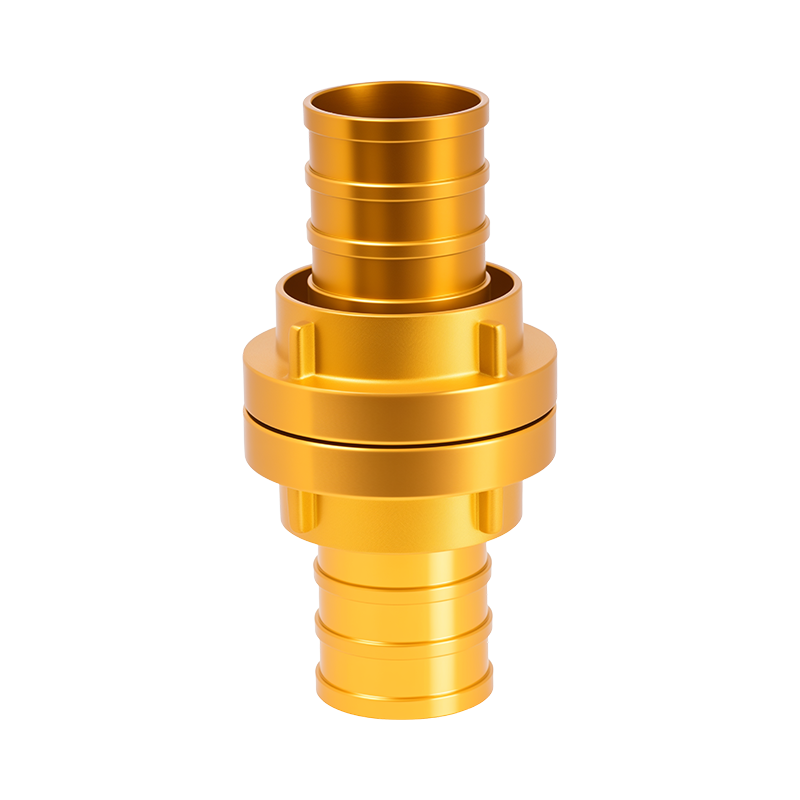
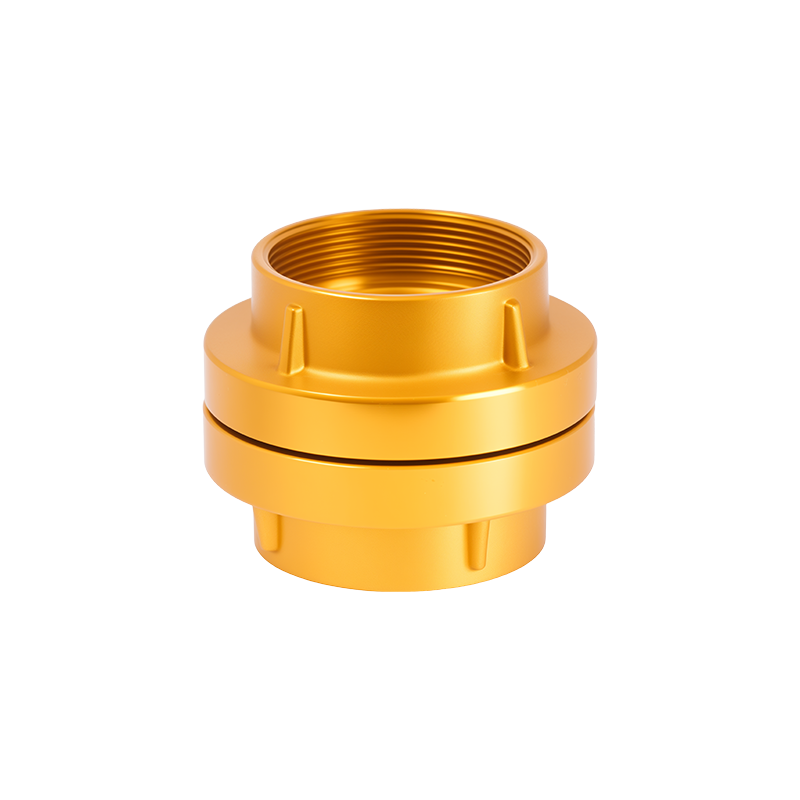
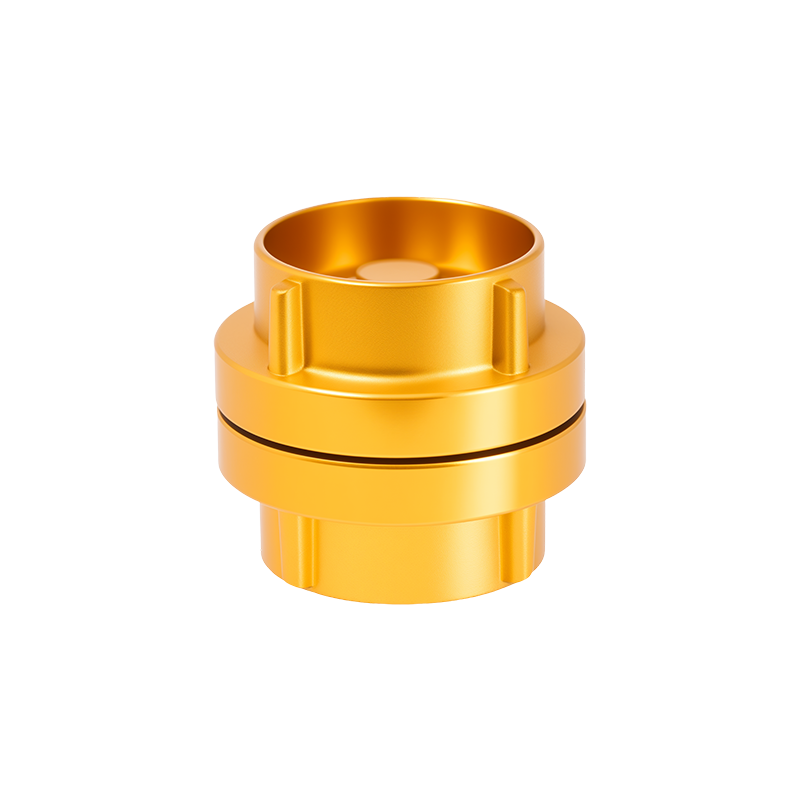
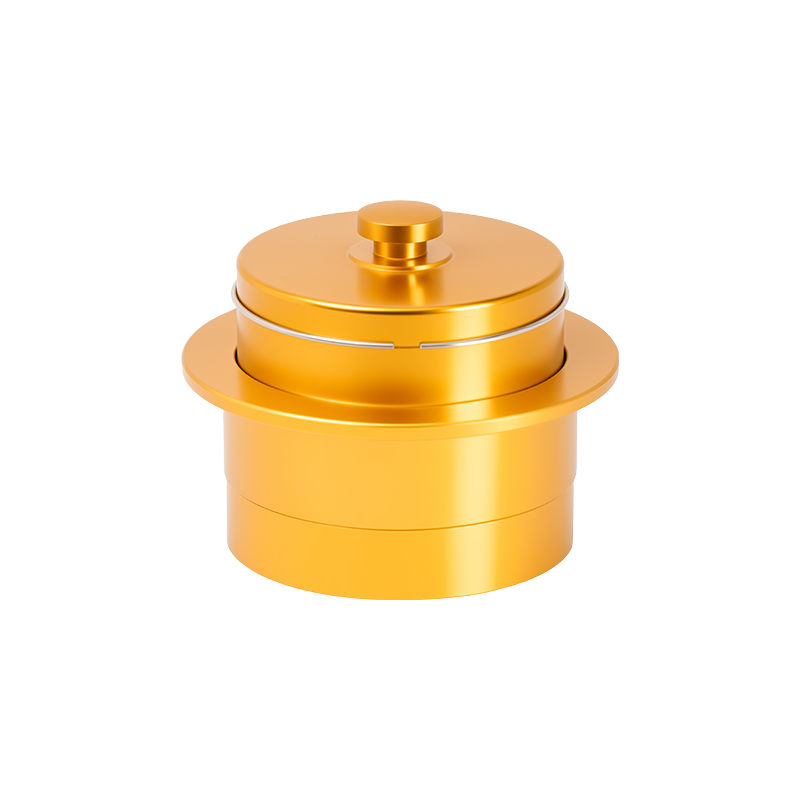
A Fire Hose Coupling Factory produces connectors that allow hoses to be attached and detached quickly while maintaining stable sealing under water pressure. These couplings are commonly used in:
Municipal firefighting systems
- Industrial fire protection setups
- Marine emergency equipment
- Construction site safety systems
- Agricultural water transfer applications
Different environments require different connection standards depending on local regulations and equipment design.
Manufacturing Process Inside a Fire Hose Coupling Factory
Production inside a Fire Hose Coupling Factory usually involves casting, machining, threading, and surface treatment processes. Materials such as aluminum, brass, or stainless steel are selected based on corrosion resistance and application conditions.
The manufacturing process often includes:
- Raw material preparation
- Casting or forging of coupling bodies
- Precision machining for thread accuracy
- Surface polishing or coating
- Pressure and leakage testing
Each stage helps ensure compatibility between coupling parts and hose systems during real-world use.
Importance of Standardized Connection Systems
One challenge in firefighting equipment manufacturing is maintaining compatibility between hoses and water supply systems from different regions. Thread patterns and locking systems may vary depending on country or industry standards.
A Fire Hose Coupling Factory often produces multiple connection formats to match regional requirements. This allows distributors and emergency service providers to integrate couplings into existing systems without redesigning their equipment layout.
Standardization also simplifies maintenance and replacement during emergency operations.
Material Selection and Durability
Couplings are exposed to moisture, impact, and pressure fluctuations during repeated use. Because of this, material selection directly affects long-term reliability.
A Fire Hose Coupling Factory may use lightweight aluminum for portable firefighting systems or brass for environments requiring higher corrosion resistance. Stainless steel is also used in marine or chemical plant applications where exposure conditions are more demanding.
Different material choices help match couplings to practical working environments rather than using a single design for every application.
Role in Industrial and Municipal Supply Chains
Fire protection equipment is not limited to emergency response vehicles. Factories, warehouses, shopping centers, and public infrastructure projects also require water transfer systems connected through standardized fittings.
A Fire Hose Coupling Factory often works with wholesalers, OEM suppliers, and safety equipment distributors to supply couplings in bulk quantities. These products may be included in complete fire hose kits or sold separately for maintenance and replacement purposes.
In many supply chains, stable production scheduling is important because emergency equipment demand often follows infrastructure expansion projects.
Testing and Quality Control Procedures
Before shipment, products from a Fire Hose Coupling Factory typically undergo dimensional checks and pressure testing. This helps confirm that sealing surfaces and locking mechanisms function correctly under operational conditions.
Testing may include:
- Water pressure resistance checks
- Thread compatibility inspection
- Corrosion resistance evaluation
- Locking mechanism verification
These procedures help reduce the risk of leakage or connection failure during equipment use.
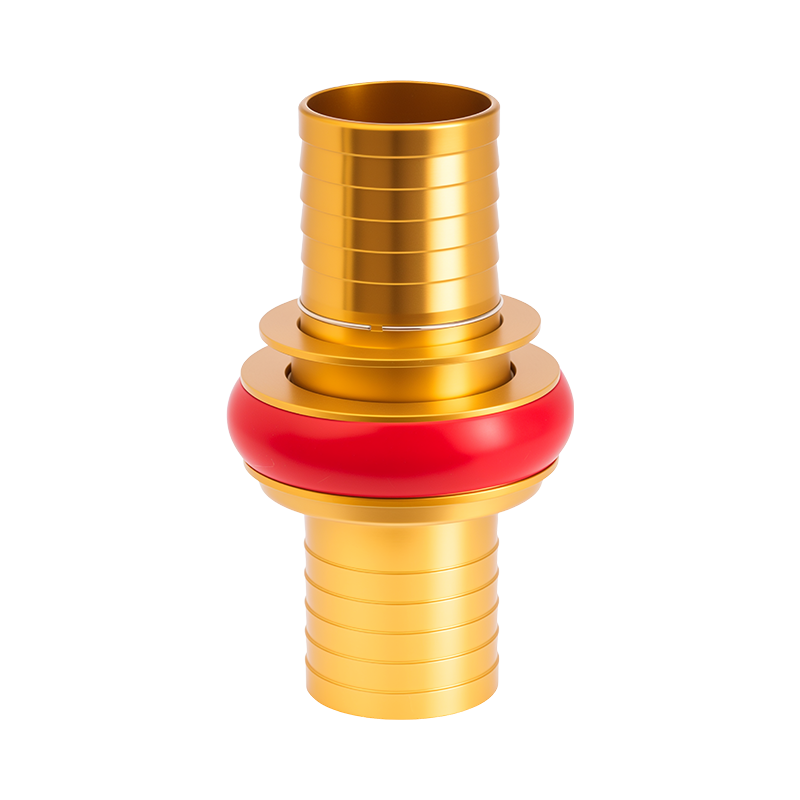
Emergency response systems depend on reliable connection points that support stable water transfer under changing field conditions. The Fire Hose Coupling Factory plays a practical role in manufacturing these components for firefighting, industrial safety, and infrastructure protection systems.
As fire protection equipment continues to expand across municipal and industrial sectors, coupling production remains an important part of maintaining compatible and durable hose connection systems for long-term operational use.
Related Products

-
 (+86) 18968568369
Give Us A Call
-
 [email protected]
Drop Us a Line
-
 No. 32, Mechanical and Electrical Industrial Park, Donghai Avenue, Yuhuan City

Zhejiang Taizhou Honghe Technology Co., Ltd. is an emerging enterprise focusing on the research and development, production and sales of fire fighting equipment.
© 2025 Zhejiang Taizhou Honghe Technology Co., Ltd.
Storz Coupling & Firefighting Equipment Factory
