


 русский
 Español
 Deutsch
 عربى

Industry News


What Documents Should Buyers Request Before Approving Hose Fittings
 2026.10.23
 Industry News
Content
- 1 1. Technical Data Sheets and Product Drawings
- 2 2. Material Certificates and Composition Records
- 3 3. Pressure Test Reports and Quality Inspection Records
- 4 4. Certificates of Conformity and Product Approvals
- 5 5. Supplier Quality Procedures and Shipment Records
- 6 6. Create a Document Checklist Before Approval
Approving firefighting components requires more than checking a quotation and confirming the product dimensions. Buyers also need technical evidence showing that the supplied components match the purchase specifications and intended operating conditions. At Honghe, we understand that distributors, importers, and project contractors need clear documentation before approving new products or releasing bulk orders.
Our fire fighting hose fittings purchasing discussions focus on product specifications, material information, connection compatibility, pressure requirements, and quality records. Preparing the appropriate documents before approval helps purchasing teams compare supplier proposals, identify missing information, and establish clear acceptance criteria.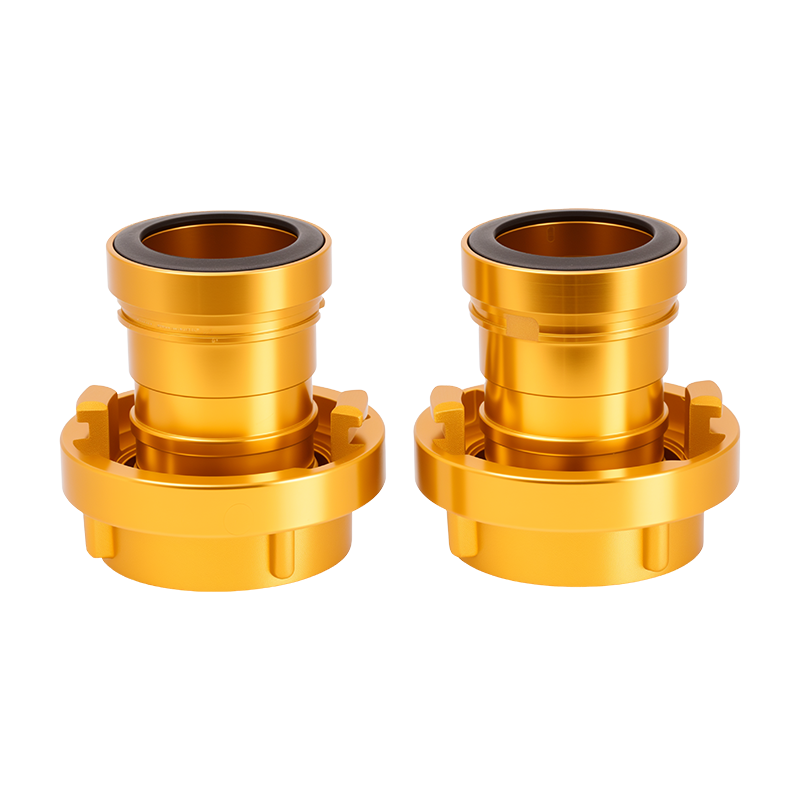
1. Technical Data Sheets and Product Drawings
A technical data sheet defines the product offered by the supplier, while a drawing provides dimensional details for checking compatibility with existing equipment. Both documents should identify the exact model or product configuration under review.
Details Buyers Should Check
- Product identification: Confirm the model number, product type, nominal size, and intended application.
- Connection specifications: Verify the thread standard, coupling profile, dimensions, and sealing arrangement.
- Material information: Check the stated alloy, metal grade, gasket material, or other relevant construction details.
- Operating limits: Review the rated working pressure and any stated temperature or service limitations.
Drawings should match the offered model and revision. Generic catalog pages may provide useful background, but they should not replace controlled product specifications during formal approval.
2. Material Certificates and Composition Records
Material documentation helps buyers establish whether a fitting uses the specified material. This is particularly relevant to projects that require a particular brass alloy, aluminum alloy, stainless steel grade, or gasket compound.
Depending on the purchase specification and product type, buyers may request:
- Material test certificates or mill certificates, where applicable.
- Material composition reports identifying the relevant grade.
- Batch or heat numbers that connect the material records to the supplied goods.
- Surface treatment information for coated, plated, or anodized components.
At Honghe, we recommend checking whether the material grade stated in the records matches the purchase order and product drawing. Buyers should also verify that batch references are traceable where their project requires lot-level documentation. A general statement that a product is made from brass or aluminum does not establish compliance with a specific material specification.
3. Pressure Test Reports and Quality Inspection Records
Firefighting connections must satisfy the pressure requirements of their intended application. A pressure test report can provide evidence that a defined test was performed, but the report must correspond to the relevant product, test method, and acceptance criteria.
| Document | Purpose | Buyer Verification |
| Pressure test report | Records pressure testing under a specified procedure | Check model, test pressure, method, result, and date |
| Dimensional inspection report | Records measurements against drawing requirements | Compare critical dimensions and tolerances |
| Thread inspection record | Documents thread geometry or gauge inspection | Confirm the required thread standard and inspection method |
| Final quality inspection report | Summarizes specified production or shipment checks | Verify inspection scope, batch identification, and acceptance status |
Buyers should not assume that every fitting requires an identical test procedure. The applicable standard, product design, contract, and project requirements determine the relevant testing and inspection scope. Pressure testing should be conducted by qualified personnel using appropriate equipment and documented procedures.
4. Certificates of Conformity and Product Approvals
A certificate of conformity or declaration of conformity may document a supplier's statement that a product meets identified requirements. Third-party certification or listing may also be required for certain products and markets.
Before accepting a certificate, verify the following details:
- Issuing organization: Identify the manufacturer, certification body, or other responsible issuer.
- Product scope: Confirm that the document covers the exact model and relevant size range.
- Applicable standard: Check the standard and edition specified in the project requirements.
- Validity and status: Review expiry dates or current listing status where applicable.
- Traceable reference: Check the certificate number or listing record against the issuing organization's records when available.
Certification requirements differ by product category and destination market. A general quality management certificate, such as ISO 9001, describes a quality management system; it does not automatically demonstrate that every individual fitting has a particular fire protection product approval.
5. Supplier Quality Procedures and Shipment Records
Product documents establish technical requirements, while quality and shipment records help buyers understand how an order was inspected and identified before dispatch.
Depending on the contract, a purchasing team may request:
- A quality inspection plan defining the checks and acceptance criteria.
- A sample inspection report before bulk production approval.
- A batch identification or traceability record.
- A packing list and commercial invoice for shipment verification.
- Country-of-origin documentation or other export records where required.
These records help connect the approved product specification with the goods received. Buyers should state their documentation requirements during quotation and order confirmation rather than assuming every supplier provides the same package automatically.
6. Create a Document Checklist Before Approval
At Honghe, we encourage customers to establish a written approval checklist suited to their project. The checklist can be shared with the supplier before samples are reviewed or a production order is confirmed.
- Confirm the model, dimensions, connection standard, and material specification.
- Review the applicable working pressure and required test evidence.
- Verify relevant conformity documents and certification scope.
- Match sample inspection records to the agreed drawing and revision.
- Define batch traceability, shipment documents, and final acceptance criteria.
Any missing or inconsistent information should be clarified before approval. This process gives both parties a documented basis for resolving specification questions and evaluating the supplied components against the agreed requirements.
Reliable purchasing decisions depend on evidence that matches the actual product being ordered. Technical data sheets, drawings, material certificates, pressure test reports, inspection records, and applicable conformity documents each serve a different purpose. No single document can replace the complete verification process required by a project.
At Honghe, we encourage distributors, contractors, and importers to communicate their technical and documentation requirements clearly from the beginning. Share your product specifications, target market, and approval checklist with our team to discuss the relevant information for your hose fitting inquiry and support a more transparent purchasing process.
Related Products


-
 (+86) 18968568369
Give Us A Call
-
 [email protected]
Drop Us a Line
-
 No. 32, Mechanical and Electrical Industrial Park, Donghai Avenue, Yuhuan City

Zhejiang Taizhou Honghe Technology Co., Ltd. is an emerging enterprise focusing on the research and development, production and sales of fire fighting equipment.
© 2025 Zhejiang Taizhou Honghe Technology Co., Ltd.
Storz Coupling & Firefighting Equipment Factory
