


 русский
 Español
 Deutsch
 عربى
عربى
Industry News


What Is an Instantaneous Fire Coupling and How Does It Work?
 2026.03.25
 Industry News
Content
Firefighting systems depend on stable and fast hose connections. The Instantaneous Fire Coupling plays a central role in linking hoses, pumps, and nozzles into one functional water delivery line. In real operations, connection reliability is not just a technical detail. It directly affects water flow continuity and operational coordination.
As a professional Instantaneous Fire Coupling Factory, Honghe focuses on machining accuracy, material strength, and structural consistency. The objective is to provide connection components that perform steadily in demanding working environments.
What Is an Instantaneous Fire Coupling and Why Is It Important?
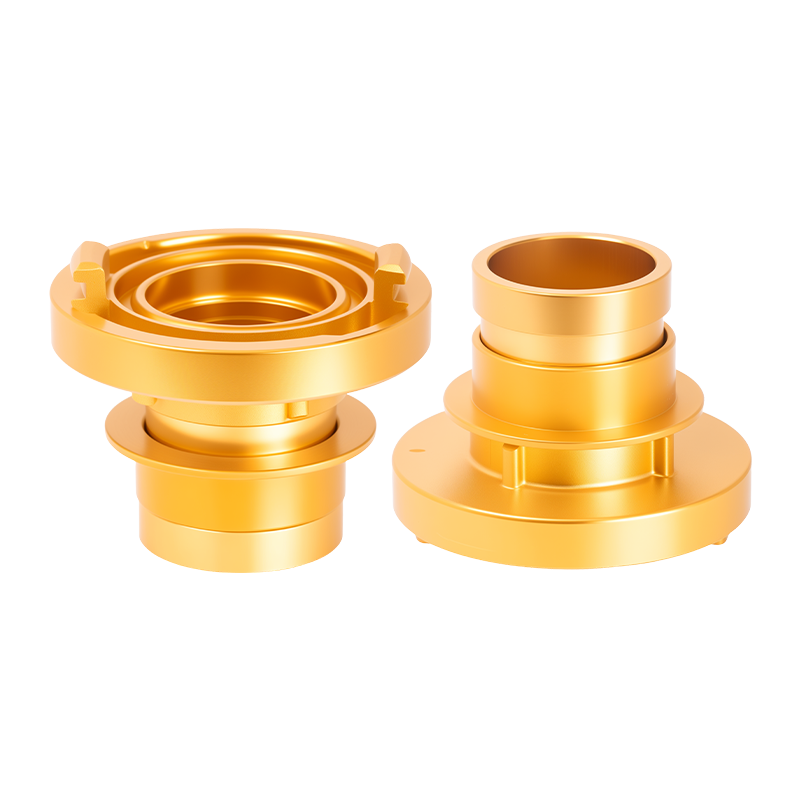
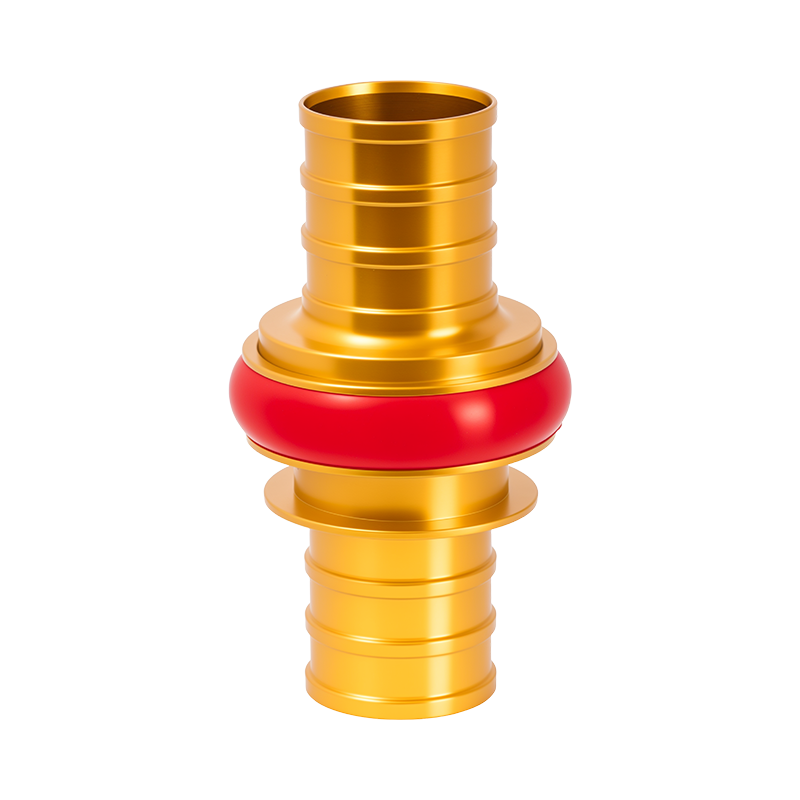
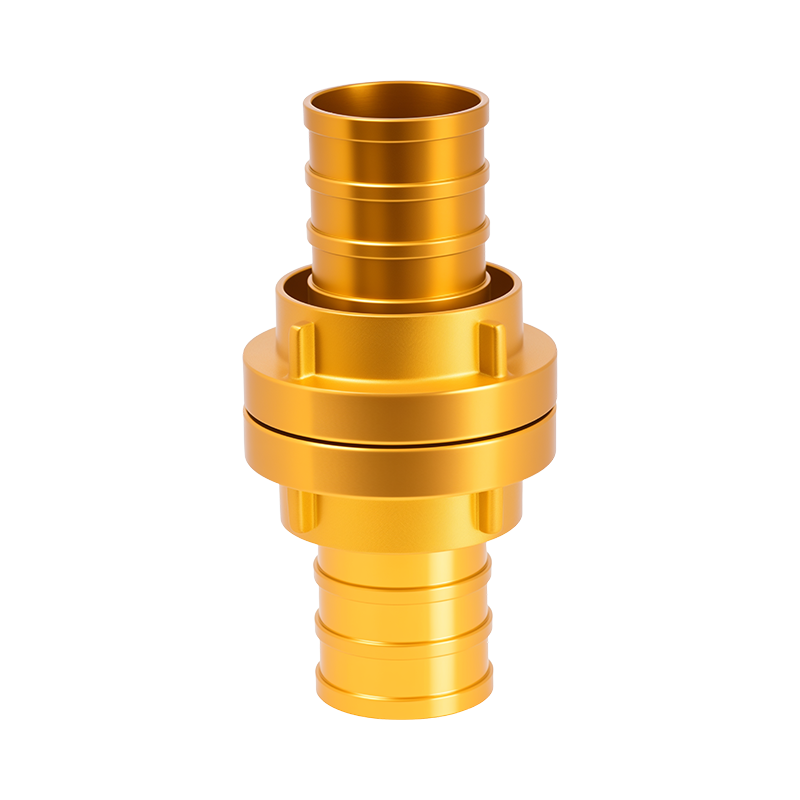
An Instantaneous Fire Coupling is a quick-connect fitting designed for rapid attachment without time-consuming threaded assembly. It typically features a lug or claw mechanism combined with a locking structure. Operators insert and twist the coupling into place, forming a sealed water pathway within seconds.
This design reduces manual effort while maintaining mechanical stability. Compared with fully threaded systems, instantaneous types simplify hose deployment, especially in scenarios requiring frequent assembly and disassembly.
In municipal firefighting, industrial installations, and emergency response vehicles, the ability to connect hoses quickly supports smoother workflow and more coordinated system operation.
Material Strength and Precision Machining Matter
Durability begins with material selection. High-strength aluminum alloy and brass are widely used due to their structural integrity and corrosion resistance. These materials provide stable performance under water pressure and repeated mechanical engagement.

At a professional Instantaneous Fire Coupling Factory, CNC machining plays a crucial role in maintaining dimensional accuracy. This is particularly relevant in humid environments, coastal regions, or industrial facilities.
Precision is not limited to appearance. Internal geometry affects flow efficiency and sealing performance. Small deviations in machining can result in leakage or unstable locking, which is why production control remains a priority.
Performance Under Pressure and Repeated Use
Fire hose systems often operate under significant pressure variations. A well-manufactured Instantaneous Fire Coupling must tolerate dynamic water force, mechanical vibration, and frequent reconnection cycles.
Inside an Instantaneous Fire Coupling Factory, pressure testing and dimensional inspection help confirm that each unit meets defined technical parameters. Repeatability across batches is especially important for projects that require consistent interchangeability.
Over time, wear may occur on gaskets or moving components. Proper maintenance, such as periodic inspection and cleaning, helps maintain connection reliability. Replaceable sealing elements extend service life without requiring full component replacement.
Choosing the Right Instantaneous Fire Coupling Factory
When selecting a manufacturing partner, technical capability should be examined carefully. Key considerations include machining accuracy, inspection processes, and raw material traceability.
Stable quality reduces operational risk and simplifies installation for engineering teams. Rather than focusing only on unit pricing, evaluating production control and engineering competence provides a clearer view of long-term reliability.
Supporting Firefighting Infrastructure Worldwide
The Instantaneous Fire Coupling remains a fundamental mechanical component within firefighting systems. Though small in size, it carries a significant functional responsibility. Rapid engagement, structural strength, and pressure resistance define its operational value.
Through CNC machining, controlled surface treatment, and systematic inspection, a professional Instantaneous Fire Coupling Factory like Honghe supplies connection solutions used in urban firefighting, industrial facilities, and emergency response sectors across global markets.
Related Products


-
 (+86) 18968568369
Give Us A Call
-
 [email protected]
Drop Us a Line
-
 No. 32, Mechanical and Electrical Industrial Park, Donghai Avenue, Yuhuan City

Zhejiang Taizhou Honghe Technology Co., Ltd. is an emerging enterprise focusing on the research and development, production and sales of fire fighting equipment.
© 2025 Zhejiang Taizhou Honghe Technology Co., Ltd.
Storz Coupling & Firefighting Equipment Factory
