


 русский
 Español
 Deutsch
 عربى
عربى


What Types of Fire Hose Coupling Are Available?
 2026.03.20
 Industry News
Content
Efficient firefighting systems rely on stable water transmission from pumps to nozzles. At the center of this connection network stands the Fire Hose Coupling, a component responsible for joining hoses, valves, pumps, and spray devices into a sealed and pressure-resistant system.
In industrial and municipal fire systems, connection reliability directly affects operational readiness. Loose threads, poor machining, or incompatible standards can interrupt water flow or create leakage during high-pressure discharge. Understanding how a Fire Hose Coupling is designed and manufactured helps clarify its value in real-world applications.
Why Fire Hose Coupling Quality Matters in Fire Systems
A Fire Hose Coupling functions as the mechanical interface between critical firefighting components. It must maintain structural integrity while handling continuous water pressure.
Core functional requirements include:
- Fast and stable connection
- Pressure resistance under dynamic flow
- Leak control at threaded interfaces
- Compatibility with multiple equipment types
When connections are precise, the firefighting system operates with stable water output. Poorly machined couplings, on the other hand, may cause vibration, pressure loss, or difficulty during installation.
Choosing products from a professional Fire Hose Coupling Factory reduces the risk of dimensional inconsistency and material defects.
Common Types of Fire Hose Coupling
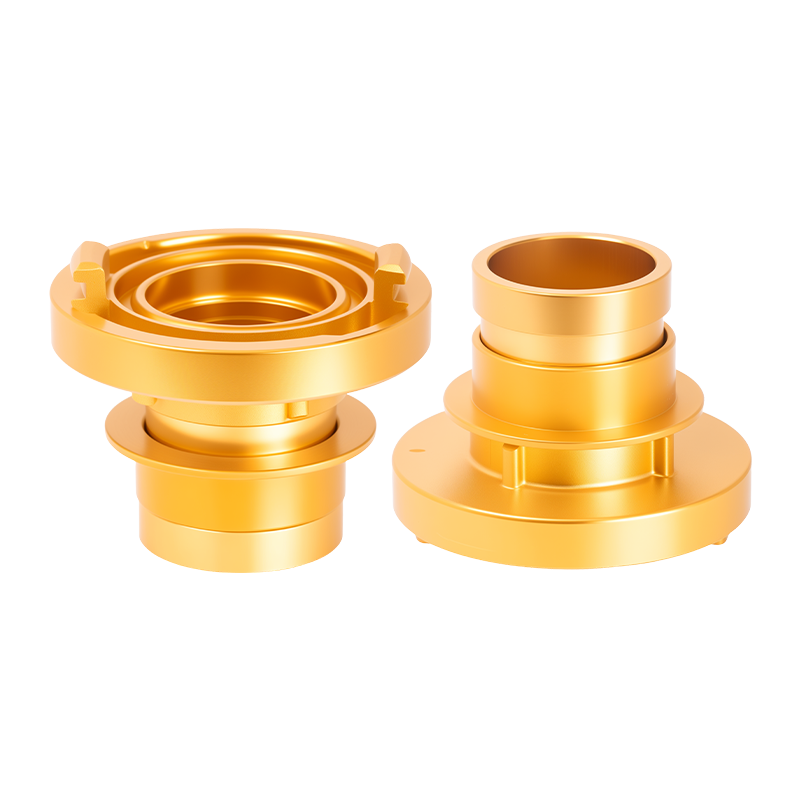
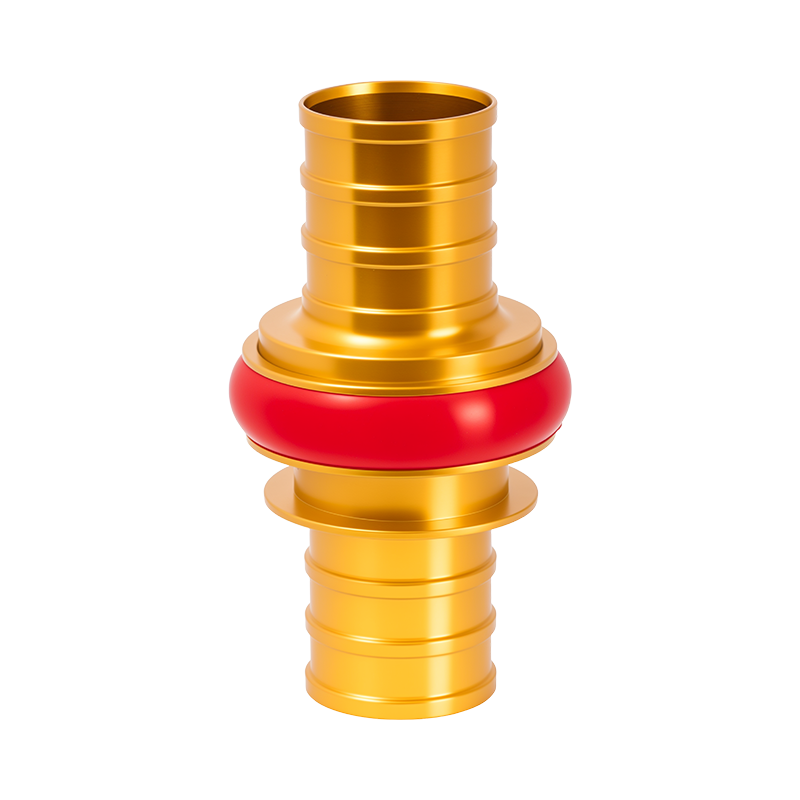
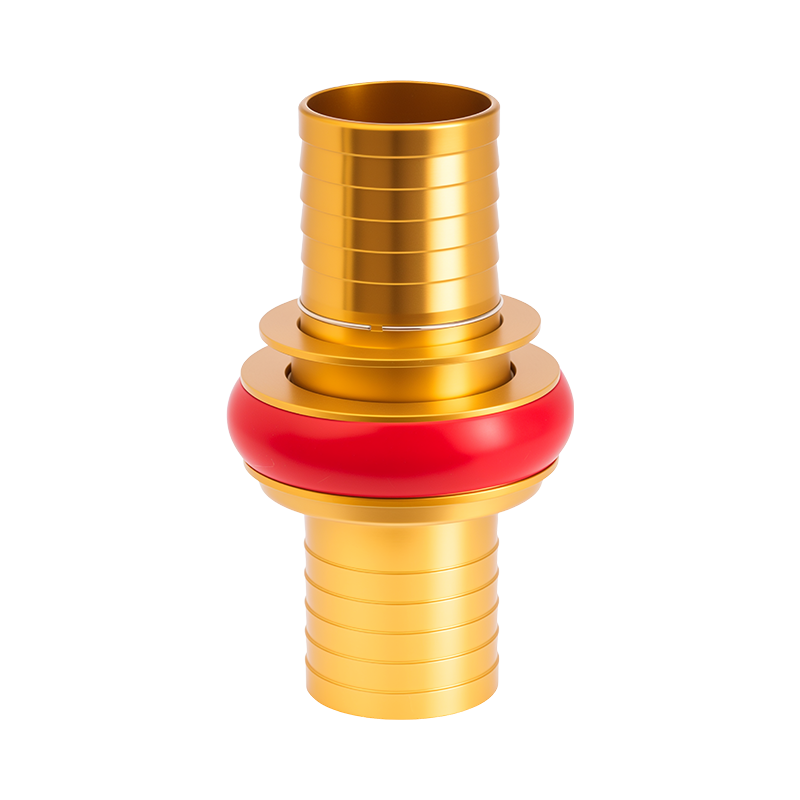
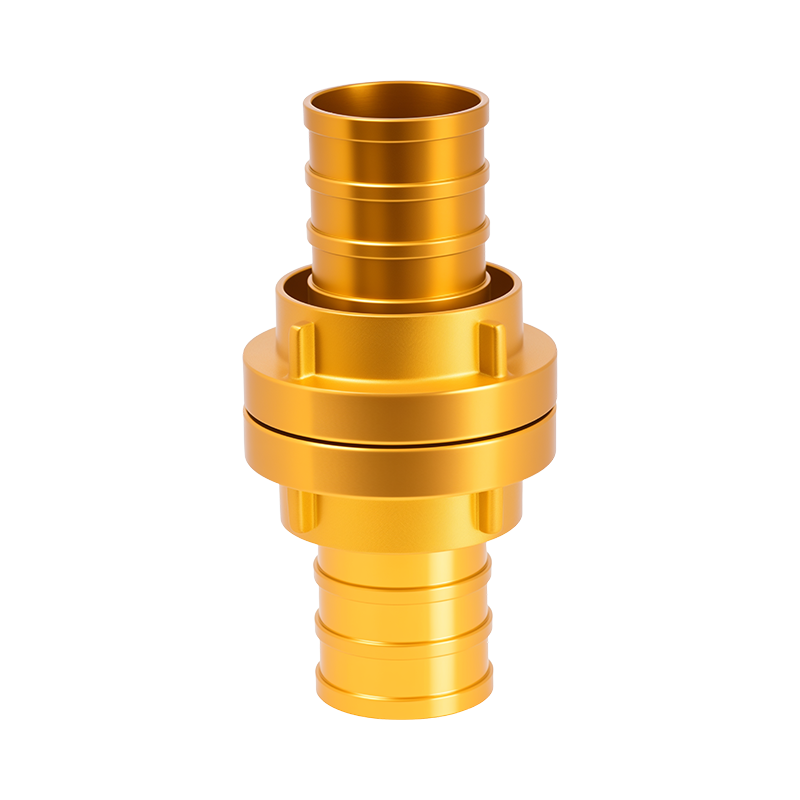
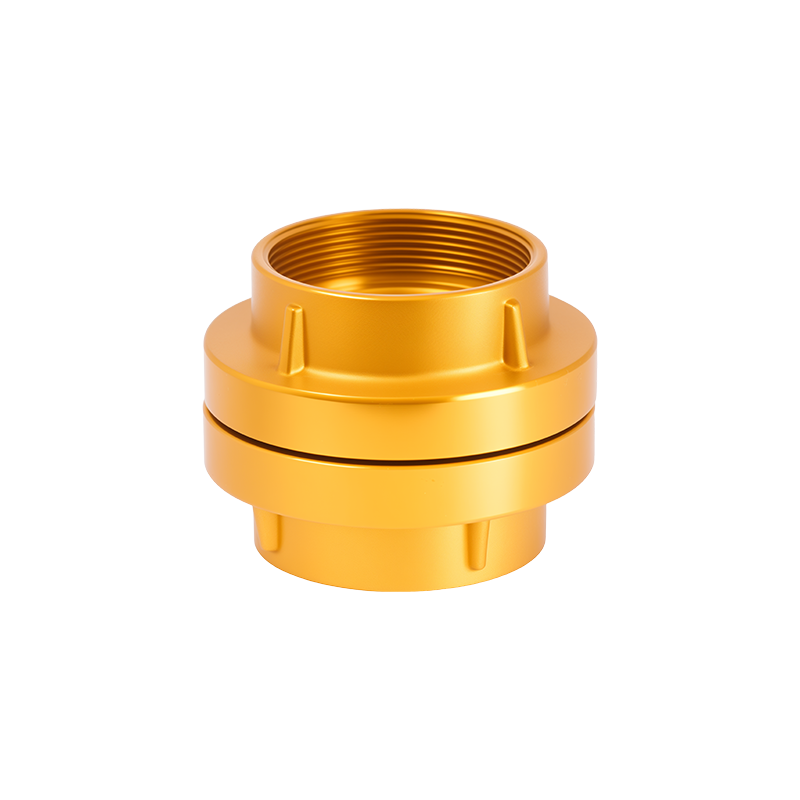
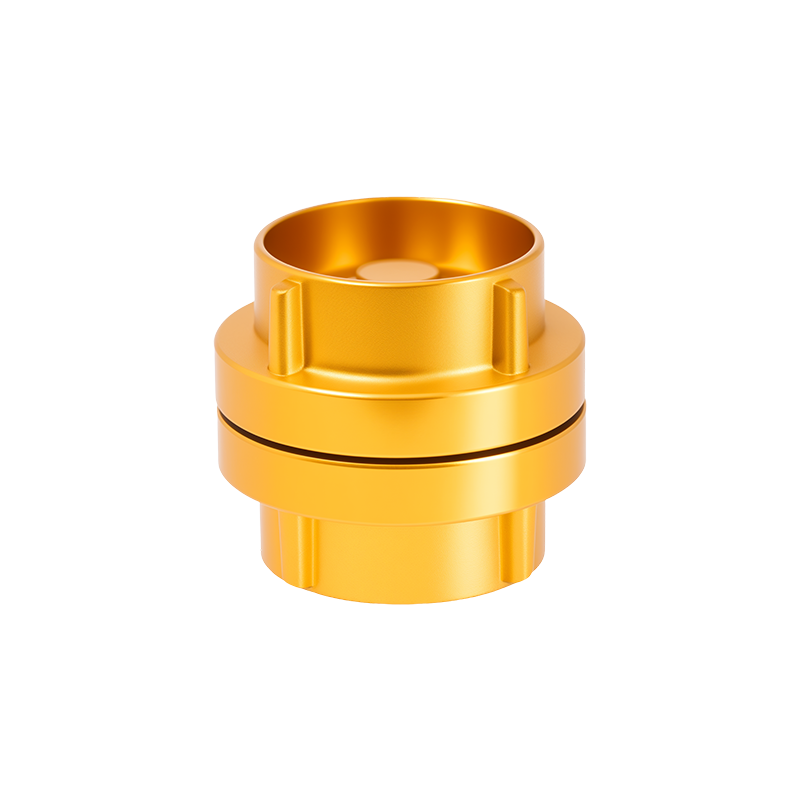
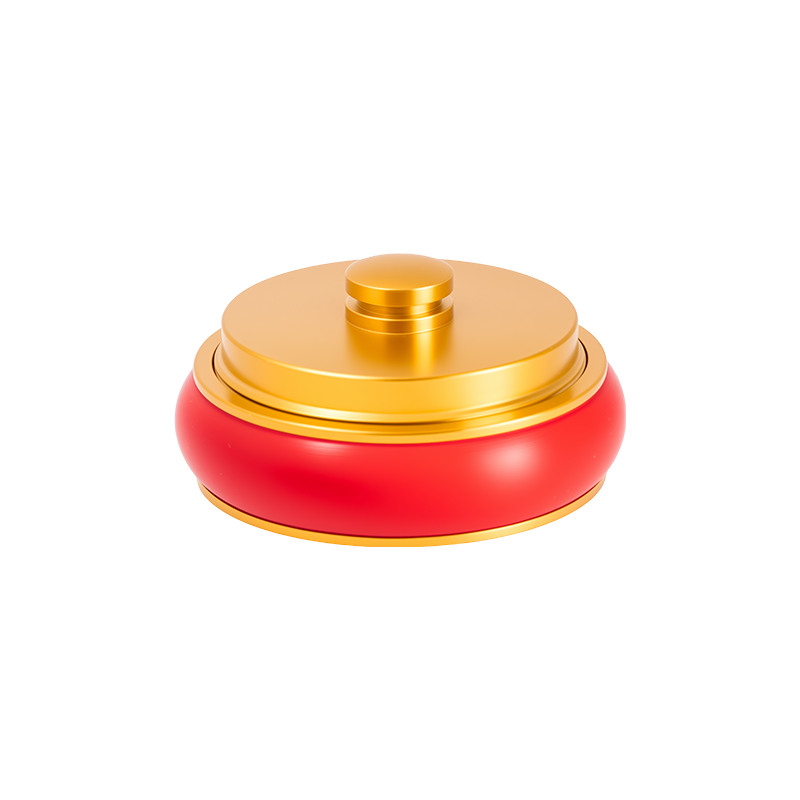
Firefighting systems use different coupling configurations depending on operational requirements and regional standards. A comprehensive Fire Hose Coupling range may include:
Threaded Couplings
Threaded models provide firm mechanical engagement through precision-cut threads. They are widely used in fixed systems and industrial pipelines.
Quick-Connect Couplings
Quick-connect designs allow rapid attachment and detachment, which is valuable during emergency response situations.

Lockable Couplings
Lockable configurations add mechanical security to prevent accidental disconnection during water discharge.
Swivel Couplings
Swivel models allow rotational movement, reducing hose twisting and improving operational flexibility.
A capable Fire Hose Coupling Factory can produce multiple configurations to match diverse firefighting standards.
Material Selection and Surface Treatment
Material engineering significantly influences durability and service life. Aluminum alloy and brass are commonly used due to their structural strength and corrosion resistance.
Aluminum alloy offers:
Reduced weight for easier handling
Strong resistance to corrosion
Stable performance under pressure
Brass provides:
Higher density and mechanical stability
Resistance to environmental exposure
Surface treatments such as anodizing or electroplating further improve corrosion resistance and wear durability. These treatments protect the coupling from oxidation, especially in outdoor or humid environments.
Pressure Resistance and Leak Control
High-pressure water flow places mechanical stress on connection points. A Fire Hose Coupling must maintain structural stability without deformation or leakage.
Precision threading plays a central role in leak control. Accurate thread pitch and depth allow tight engagement with matching components. Internal sealing surfaces also contribute to water retention under pressure.
Leakage often results from uneven machining or surface irregularities. For this reason, advanced manufacturing equipment and inspection procedures are essential.
Products manufactured in a well-equipped Fire Hose Coupling Factory typically undergo pressure testing and dimensional verification to confirm performance stability.
Ergonomic Design and Handling Efficiency
Operational convenience affects on-site performance. Firefighters and industrial teams require equipment that connects smoothly without excessive force.
Swivel options also reduce hose torsion, which can otherwise create mechanical strain on the system.
Ease of handling does not compromise structural strength. Instead, it reflects careful engineering that balances usability and mechanical reliability.
A well-engineered Fire Hose Coupling combines precision machining, corrosion-resistant materials, and stable structural performance. Working with a qualified Fire Hose Coupling Factory provides access to consistent manufacturing standards, customization capability, and dependable supply for industrial and municipal firefighting systems.
Related Products


-
 (+86) 18968568369
Give Us A Call
-
 [email protected]
Drop Us a Line
-
 No. 32, Mechanical and Electrical Industrial Park, Donghai Avenue, Yuhuan City

Zhejiang Taizhou Honghe Technology Co., Ltd. is an emerging enterprise focusing on the research and development, production and sales of fire fighting equipment.
© 2025 Zhejiang Taizhou Honghe Technology Co., Ltd.
Storz Coupling & Firefighting Equipment Factory
