


 русский
 Español
 Deutsch
 عربى
عربى

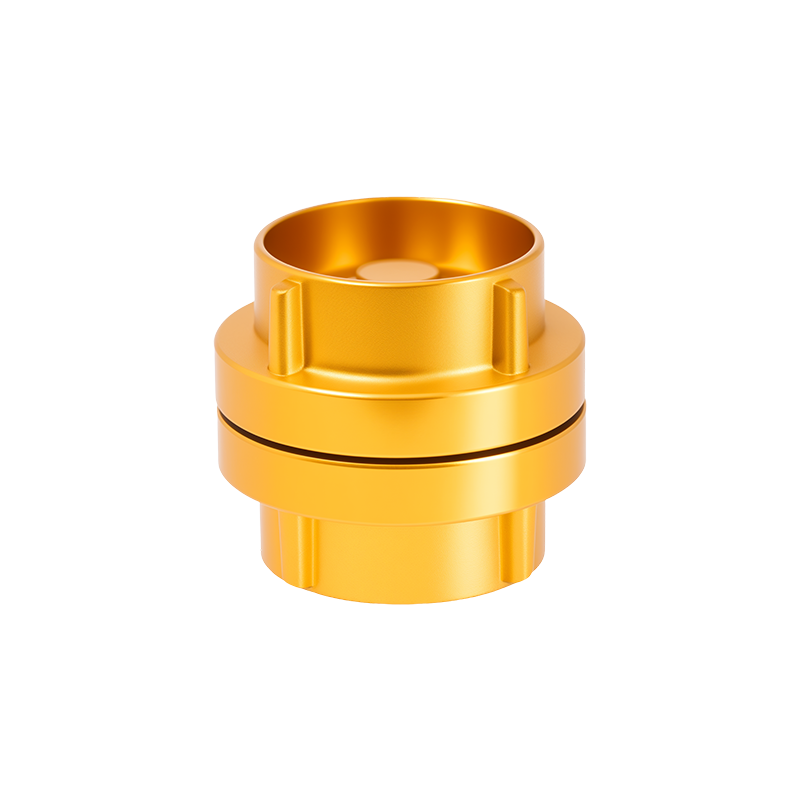

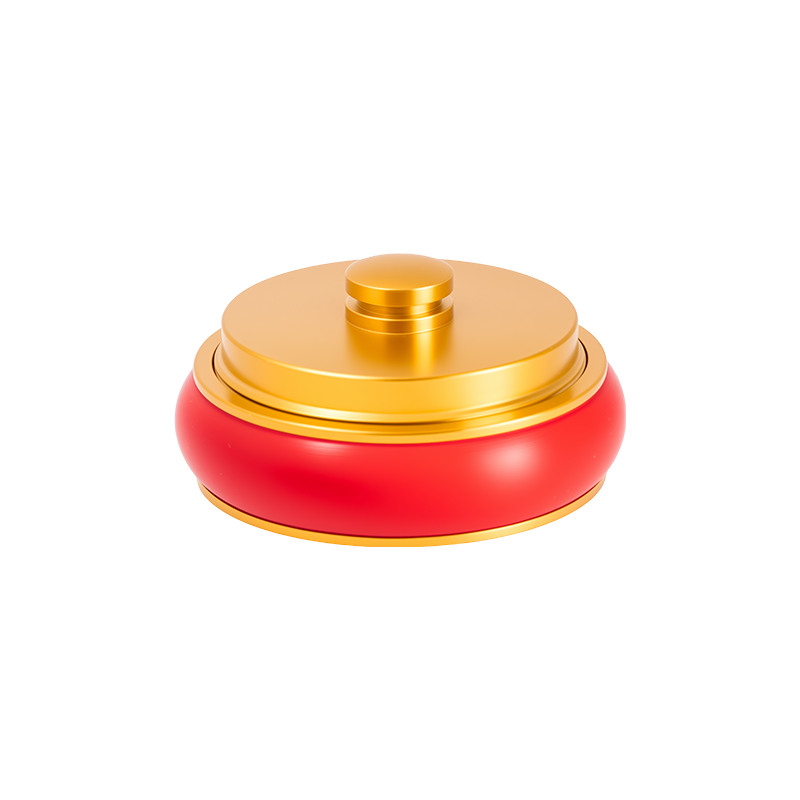
Zhejiang Taizhou Honghe Technology Co., Ltd. was established in 2019 as an emerging enterprise specializing in the R&D, manufacturing, and sales of firefighting equipment. It is a professional China Fire Hydrant Cap manufacturer and wholesale Fire Hydrant Cap factory. leveraging over a decade of industry experience.
Occupying a facility of over 2,000 square meters and powered by a dedicated team of more than 50 employees, including 3 technical engineers, the company is built for excellence.
Since its inception, Honghe Technology has adhered to the core principles of " Valuing Talent and Building Trust through Integrity." We bring together industry experts to integrate advanced international information technologies, management models, and business practices with the specific needs of domestic enterprises. Our commitment is to provide comprehensive solutions that enhance our clients' management efficiency and production capabilities. By doing so, we empower them to maintain a competitive edge in a dynamic market and achieve rapid, sustainable growth.

Aluminum Fire Hydrant Cap
As a professional manufacturer of Fire Hydrant Caps, Honghe's products are specifically designed to protect fire hydrant connections, ensuring they maintain a seal, protection, and ease of use in long-term outdoor environments. The core function of a fire hydrant cap is to prevent dust, debris, rainwater, and corrosive substances from entering the hydrant body, preventing rust and blockage at the connection, thereby ensuring that the fire protection system can be quickly deployed in an emergency.
Made from high-strength aluminum alloy or brass, our caps undergo precision machining and anodizing, providing excellent resistance to rust, corrosion, and impact. They feature precise threads, a secure seal, and an optional anti-theft chain to effectively prevent loss or tampering.
Customizable sizes and interface standards are available to accommodate a variety of fire protection systems. With reliable manufacturing processes and strict quality control, Fire Hydrant Caps not only enhance the safety and durability of firefighting equipment, but also provide efficient and long-lasting fire protection for cities, factories, and public facilities.
About
Zhejiang Taizhou Honghe Technology Co., Ltd.
News
-
Product Role in Fire Response Systems Fire control environments in industrial zones often require directional water delivery tools that can ...
View More -
Understanding Aluminum Fire Hose Fittings Aluminum fire hose fittings are essential components in modern firefighting systems. These fitting...
View More -
Firefighting systems depend on stable and fast hose connections. The Instantaneous Fire Coupling plays a central role in linking hoses, pump...
View More -
Efficient firefighting systems rely on stable water transmission from pumps to nozzles. At the center of this connection network stands the ...
View More
Message Feedback
Fire Hydrant Cap Industry knowledge
Q1: What is the function of a hydrant cap in fire protection equipment?
In municipal fire protection systems, hydrant caps play a critical protective role. An Aluminum Fire Hydrant Cap is installed over the hydrant outlet to prevent debris, dust, and unauthorized access. By sealing the outlet, the cap helps ensure that the hydrant remains ready for use during emergency situations.
These components are designed to withstand outdoor exposure, including moisture and temperature changes, while maintaining a secure fit on the hydrant body.
Q2: Why are aluminum materials commonly used for hydrant caps?
From a manufacturing perspective, aluminum offers a balance between durability and manageable weight. A Hydrant Thread Cap made from aluminum resists corrosion caused by water and environmental conditions, which is important for long-term outdoor installation.
Aluminum also allows precise threading during production, ensuring compatibility with standard hydrant outlets. This precision helps maintain a tight seal and reduces the risk of thread damage during repeated installation and removal.
Q3: What role does a hydrant cap factory play in product consistency?
A Hydrant Cap Factory is responsible for controlling material selection, machining accuracy, and surface treatment. Consistent production processes help ensure that each cap fits standardized hydrant threads and performs reliably in the field.
Factories typically implement inspection procedures to verify thread dimensions and wall thickness. This attention to detail supports interchangeability, allowing caps to be replaced without modifying existing hydrant installations.
Q4: How do hydrant caps and chains improve operational readiness?
Hydrant Caps & Chains are commonly used together to prevent cap loss during hydrant operation. The chain secures the cap to the hydrant body once it is removed, ensuring it remains accessible after use.
This arrangement supports faster post-operation restoration, as firefighters can quickly reattach the cap after completing their task. Chains are designed to withstand tension and weather exposure without interfering with hose connections.
Q5: How are hydrant caps designed for compatibility and safety?
A Hydrant Thread Cap must align precisely with the hydrant outlet to ensure proper sealing. Thread profiles are manufactured according to regional or municipal standards, allowing compatibility across different hydrant models.
Safety considerations also influence design. Rounded edges and controlled cap dimensions reduce handling risks during installation or removal. An Aluminum Fire Hydrant Cap often features surface finishes that improve grip, especially when gloves are worn.
Q6: What factors are considered when selecting hydrant caps for urban systems?
Selection depends on environmental exposure, hydrant type, and maintenance practices. A Hydrant Cap Factory may produce different variations to accommodate local requirements, such as specific thread sizes or chain lengths.
The table below summarizes general selection considerations:
| Consideration | Purpose | Application Context |
| Material type | Corrosion resistance | Outdoor hydrants |
| Thread accuracy | Secure sealing | Standard hydrant outlets |
| Chain attachment | Prevent loss | Frequent hydrant use |
These factors help municipalities maintain consistent hydrant performance across their networks.
Q7: What maintenance practices support hydrant cap longevity?
Regular inspection ensures that Hydrant Caps & Chains remain functional over time. Caps should be checked for thread wear, deformation, or corrosion that could affect sealing. Chains should be examined for signs of fatigue or damage.
Cleaning the threads and interior surfaces helps prevent buildup that may interfere with installation. Proper maintenance extends service life and supports reliable hydrant operation during emergencies.
Hydrant caps are essential components in fire protection infrastructure. Whether produced by a Hydrant Cap Factory, installed as an Aluminum Fire Hydrant Cap, designed as a Hydrant Thread Cap, or supplied with Hydrant Caps & Chains, these products contribute to hydrant protection, accessibility, and operational readiness. Through careful manufacturing, standardized design, and regular maintenance, hydrant caps continue to support effective firefighting systems in urban and industrial environments.
-
 (+86) 18968568369
Give Us A Call
-
 [email protected]
Drop Us a Line
-
 No. 32, Mechanical and Electrical Industrial Park, Donghai Avenue, Yuhuan City

Zhejiang Taizhou Honghe Technology Co., Ltd. is an emerging enterprise focusing on the research and development, production and sales of fire fighting equipment.
© 2025 Zhejiang Taizhou Honghe Technology Co., Ltd.
Hydrant Thread Cap For Sale
