


 русский
 Español
 Deutsch
 عربى
عربى


Male or Female Coupling: Which Side Fits Your Fire Hose
 2026.09.18
 Industry News
Content
- 1 What Separates Male and Female Fire Hose Couplings?
- 2 Does the Thread Standard Matter More Than Gender?
- 3 Where Does the Female Coupling Usually Go?
- 4 How Does Coupling Size Affect Compatibility?
- 5 Could a Male-Female System Be Replaced by Storz?
- 6 What Should Buyers Check Before Ordering?
- 7 Matching the Connection Is the Real Priority
A fire hose coupling may look like a simple metal connector, but the difference between a male and female design affects how the hose connects to a nozzle, hydrant, pump, or another hose. Understanding this distinction becomes especially important when replacing damaged components or specifying new hose assemblies.
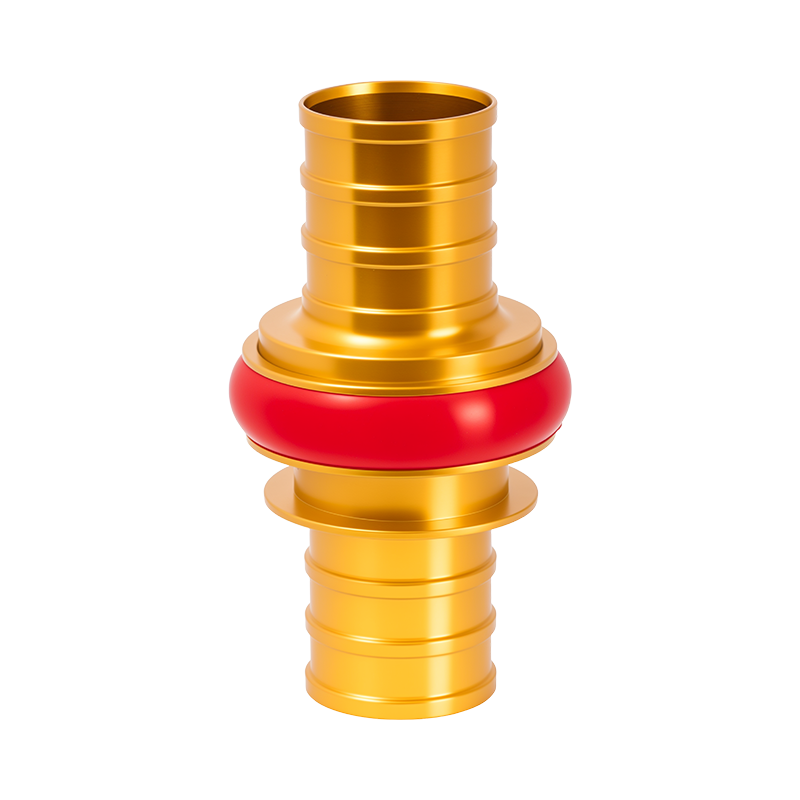
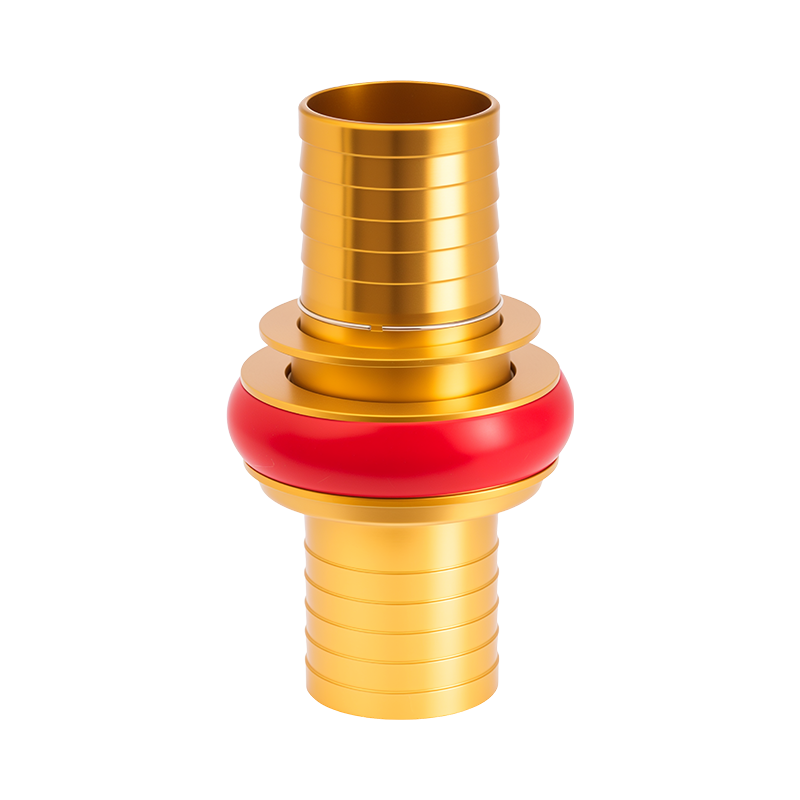
A typical male and female fire hose coupling uses matching threads. The male coupling has external threads, while the female coupling has internal threads and commonly incorporates a swivel. The two parts are designed to work as a matched pair rather than as interchangeable components.
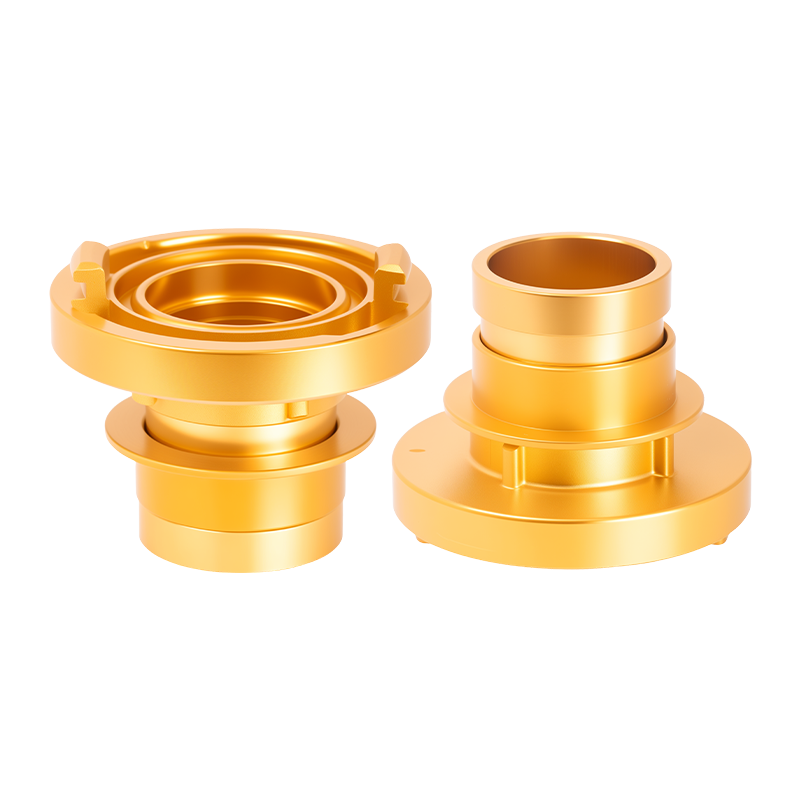
What Separates Male and Female Fire Hose Couplings?
| Feature | Male Coupling | Female Coupling |
| Thread position | External thread | Internal thread |
| Swivel | Normally fixed | Commonly uses a swivel ring |
| Main function | Receives a matching female connection | Connects onto a matching male connection |
| Sealing method | Mating face works with female gasket | Usually contains the sealing gasket |
With conventional threaded couplings, the female swivel can rotate around the connection while the hose remains relatively stable. This arrangement helps reduce hose twisting during assembly. Fire hose coupling construction commonly includes components such as the shank, bowl, swivel ring, lugs, and gasket seat.
Does the Thread Standard Matter More Than Gender?
Yes. Identifying a coupling as male or female is only the starting point. The thread standard also needs to match.
- NH/NST: National Hose and National Standard Thread are commonly used terms for the same fire hose thread standard.
- NPSH: National Pipe Straight Hose uses straight threads and is commonly found on hose and related connections.
- NPT: National Pipe Tapered thread is different from straight fire hose threads and should not be assumed to be interchangeable.
NH/NST male and female connections are intended to mate with the corresponding NH/NST thread. NPSH has different compatibility characteristics; a female NPSH connection can mate with a male NPT or NPSH connection under applicable configurations, while a male NPSH connection does not simply screw into a female NPT fitting.
Where Does the Female Coupling Usually Go?
For conventional hose assemblies, the female end is commonly associated with the connection toward a fixed water source, while the male end can be positioned toward downstream equipment. The swivel design helps the female coupling rotate during connection without forcing the hose itself to turn.
However, this should not be treated as a universal rule for every hose assembly. Hose construction, local fire service practice, equipment configuration, and applicable standards can determine the required arrangement.
Common Connection Examples
- Fire hose to nozzle: Verify that the nozzle thread matches the hose coupling.
- Fire hose to hydrant: Check both nominal size and thread specification before connection.
- Hose to hose: A male end and compatible female end are required with conventional threaded systems.
- Different standards: A suitable adapter may be required rather than forcing two different thread types together.
How Does Coupling Size Affect Compatibility?
A coupling's nominal size should not be used as the only identification method. Two fittings may share a nominal diameter while using different thread standards.
| Specification | Example | Purpose |
| Nominal size | 1.5", 2.5", 3", 4" | Matches hose and equipment dimensions |
| Thread type | NH/NST, NPSH | Determines thread compatibility |
| Gender | Male / Female | Defines the mating arrangement |
| Seal | Rubber gasket | Helps create a watertight joint |
| Material | Aluminum / Brass | Affects weight and mechanical characteristics |
Fire hose sizing also needs careful measurement. Reference guidance recommends checking markings on the hose and measuring the appropriate coupling dimensions rather than relying only on an outside measurement of the female coupling.
Could a Male-Female System Be Replaced by Storz?
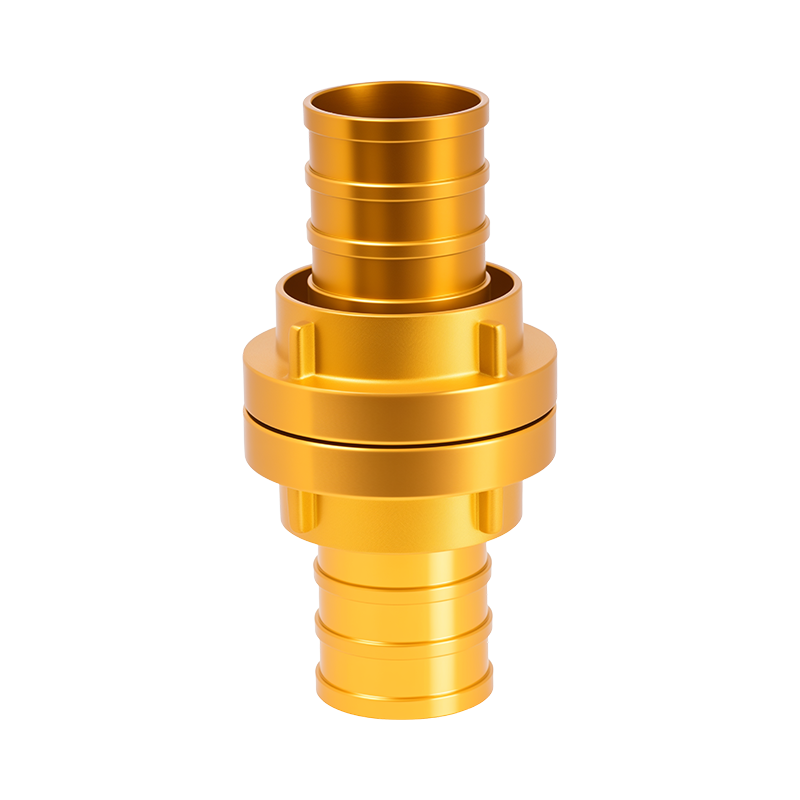
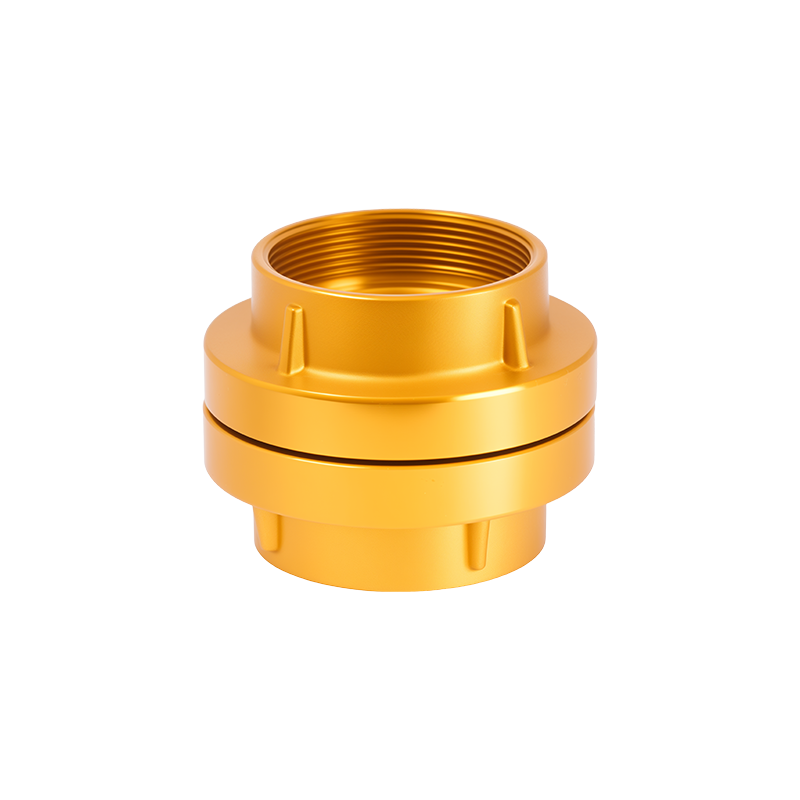
Storz takes a different approach. Rather than using separate male and female ends, Storz couplings use a symmetrical connection design. Compatible halves engage through their locking lugs and are secured with a short rotational movement. This means either end can connect to another matching Storz coupling.
This distinction matters during equipment specification. A conventional male and female fire hose coupling requires attention to gender and thread type, while a Storz system requires attention to coupling dimensions, lug spacing, and the applicable specification.
What Should Buyers Check Before Ordering?
- Confirm the hose nominal diameter.
- Identify the thread standard.
- Confirm male or female configuration.
- Check gasket dimensions and sealing surface.
- Verify pressure requirements.
- Check whether an adapter is required for the connected equipment.
Matching the Connection Is the Real Priority
The question is not simply whether a fire hose needs a male or female coupling. The complete connection specification matters: gender, nominal size, thread profile, sealing method, pressure requirement, and equipment interface all need to work together.
A correctly specified male and female fire hose coupling provides a predictable connection between hose and equipment. Checking these details before purchasing or assembling the hose can also prevent compatibility problems caused by similar-looking fittings that use different standards.
Related Products




-
 (+86) 18968568369
Give Us A Call
-
 [email protected]
Drop Us a Line
-
 No. 32, Mechanical and Electrical Industrial Park, Donghai Avenue, Yuhuan City

Zhejiang Taizhou Honghe Technology Co., Ltd. is an emerging enterprise focusing on the research and development, production and sales of fire fighting equipment.
© 2025 Zhejiang Taizhou Honghe Technology Co., Ltd.
Storz Coupling & Firefighting Equipment Factory
