


 русский
 Español
 Deutsch
 عربى
عربى

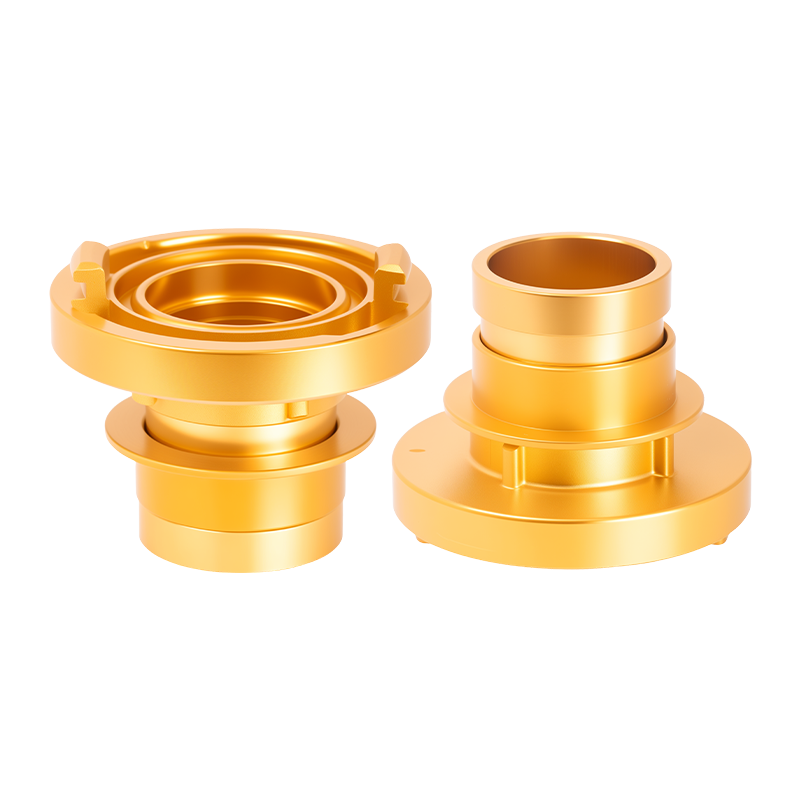
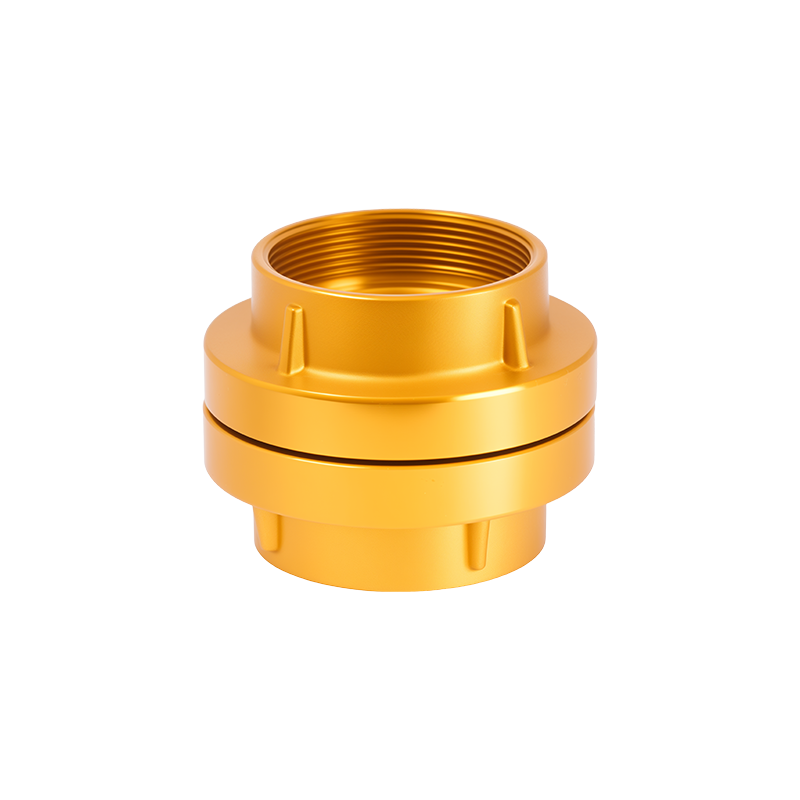
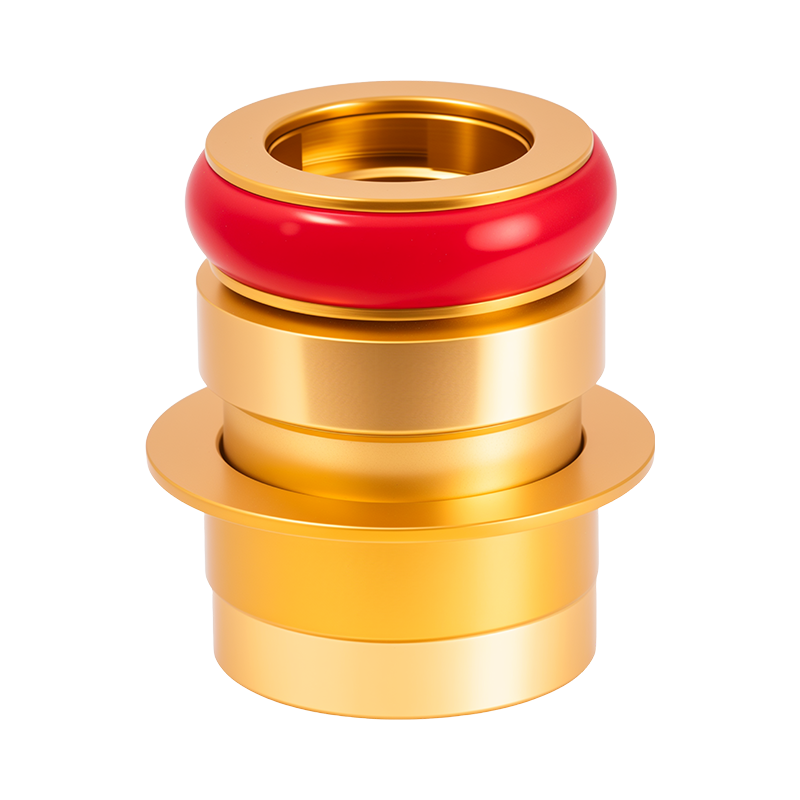
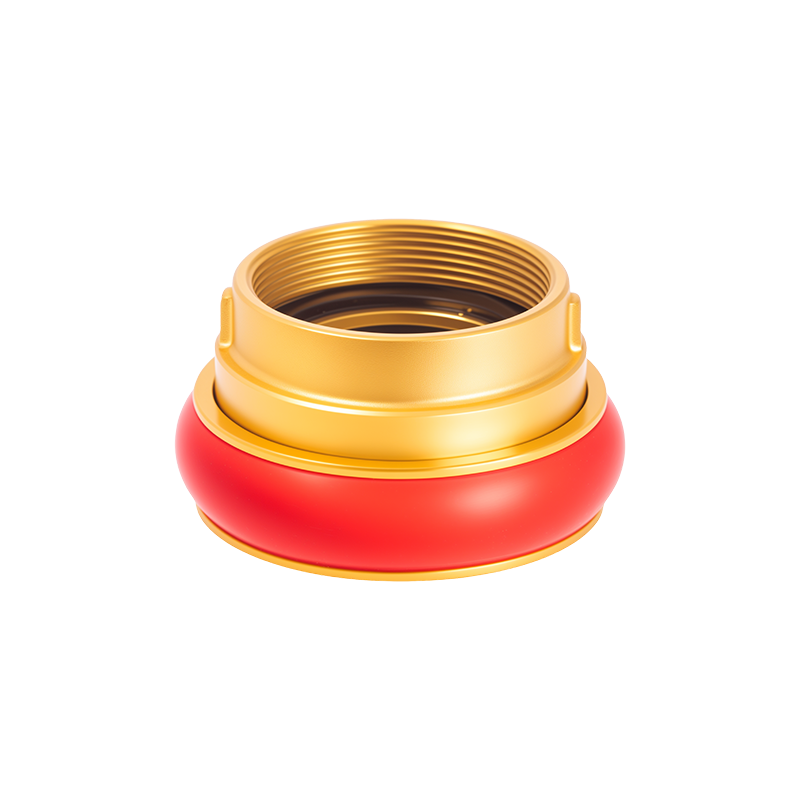
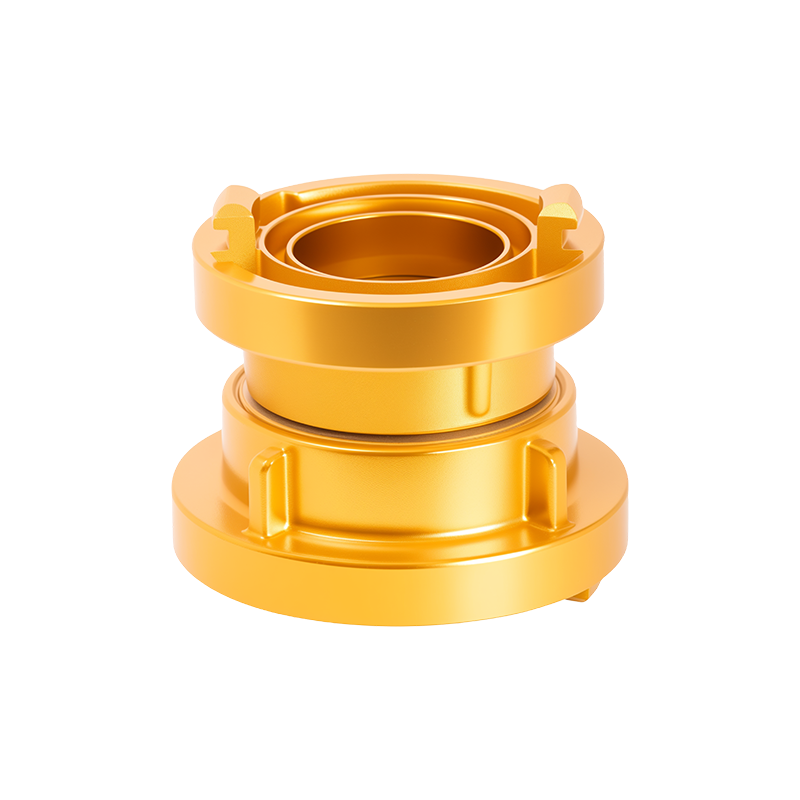

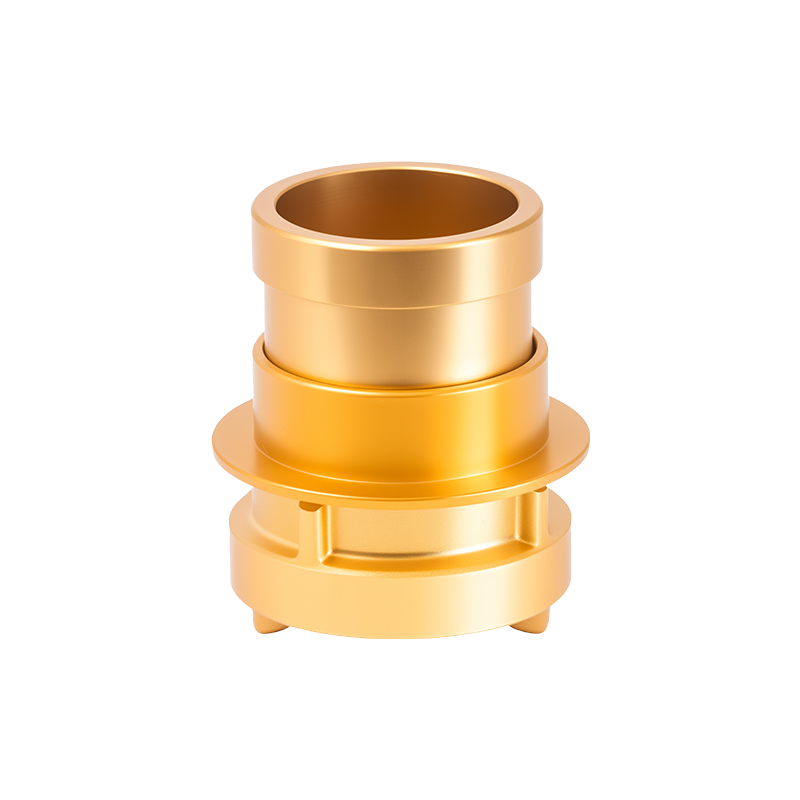
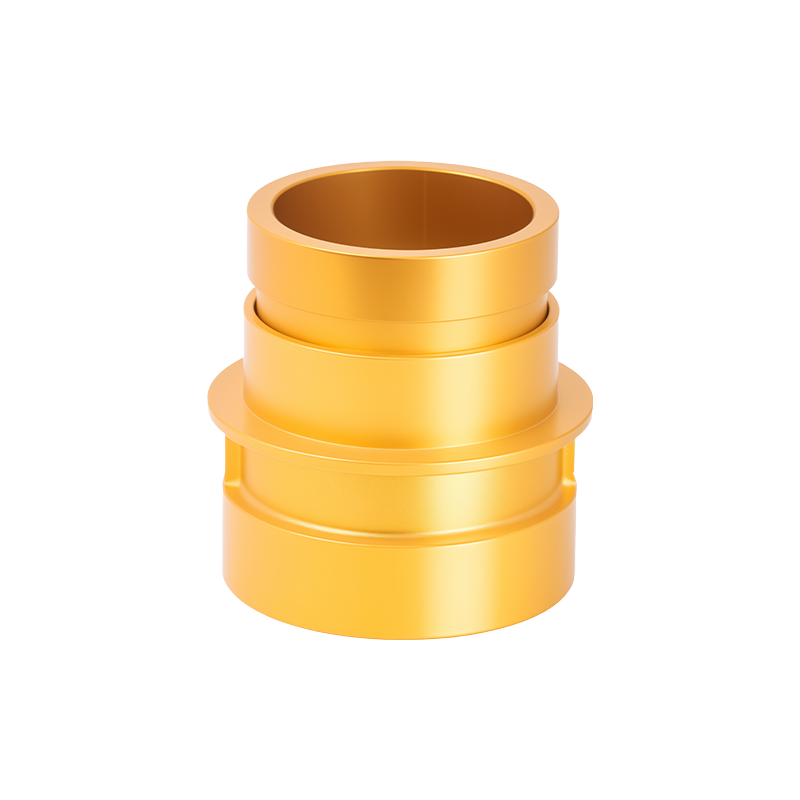
Zhejiang Taizhou Honghe Technology Co., Ltd. was established in 2019 as an emerging enterprise specializing in the R&D, manufacturing, and sales of firefighting equipment. It is a professional China Fire Hose Adapter manufacturer and wholesale Fire Hose Adapter factory. leveraging over a decade of industry experience.
Occupying a facility of over 2,000 square meters and powered by a dedicated team of more than 50 employees, including 3 technical engineers, the company is built for excellence.
Since its inception, Honghe Technology has adhered to the core principles of " Valuing Talent and Building Trust through Integrity." We bring together industry experts to integrate advanced international information technologies, management models, and business practices with the specific needs of domestic enterprises. Our commitment is to provide comprehensive solutions that enhance our clients' management efficiency and production capabilities. By doing so, we empower them to maintain a competitive edge in a dynamic market and achieve rapid, sustainable growth.

Fire Hose Reducing Adapter
As a professional manufacturer of fire hose adapters, Honghe specializes in producing high-precision, high-strength connectors for quick connection and conversion between hoses and nozzles, pumps, or valves in various firefighting systems.
Our products are precision-machined from high-quality aluminum alloy or brass, offering excellent pressure, corrosion, and wear resistance, ensuring a reliable seal even after long-term use.
A variety of connector sizes (such as 40mm, 65mm, and 80mm) allow for flexible compatibility with various standard equipment, ensuring efficient fluid transfer and interface compatibility. The anodized finish provides oxidation resistance, aesthetics, and durability.
We support custom thread types, sizes, and colors, providing safe, efficient, and precise connection solutions for various firefighting systems.
About
Zhejiang Taizhou Honghe Technology Co., Ltd.
News
-
Product Role in Fire Response Systems Fire control environments in industrial zones often require directional water delivery tools that can ...
View More -
Understanding Aluminum Fire Hose Fittings Aluminum fire hose fittings are essential components in modern firefighting systems. These fitting...
View More -
Firefighting systems depend on stable and fast hose connections. The Instantaneous Fire Coupling plays a central role in linking hoses, pump...
View More -
Efficient firefighting systems rely on stable water transmission from pumps to nozzles. At the center of this connection network stands the ...
View More
Message Feedback
Fire Hose Adapter Industry knowledge
Q1: What role does pipe threading play in fire hose systems?
In firefighting equipment, secure and stable connections are essential for uninterrupted water delivery. Snap-Type Male & Female Pipe Thread designs are commonly used to create reliable joints between hoses, adapters, and water sources. This threading method allows components to be connected quickly while maintaining sealing integrity under pressure.
Such threaded structures are engineered to reduce the risk of leakage during sudden pressure changes. In emergency situations, the ability to connect equipment efficiently can significantly influence operational effectiveness.
Q2: How does a fire hose reducing adapter support system compatibility?
A Fire Hose Reducing Adapter is used when hoses or outlets of different diameters need to be connected. Fire departments often encounter varying interface standards across hydrants, pumps, and hoses. Reducing adapters help bridge these differences without requiring additional equipment.
By using standardized threading profiles, these adapters integrate smoothly into existing systems. The internal geometry ensures stable water flow while adapting size differences between connected components.
Q3: What is meant by fire hose connection in practical applications?
A Fire Hose Connection refers to the complete interface where hoses link to hydrants, pumps, or nozzles. This connection must withstand mechanical stress, vibration, and water pressure during firefighting operations. Reliability at this junction is critical, as any failure may interrupt water supply.
Connection components are designed with precise tolerances to ensure consistent sealing. Whether portable or fixed, these interfaces are tested to meet industry requirements for pressure and durability.
Q4: Why are snap-type threads commonly used in firefighting equipment?
A Snap-Type Male & Female Pipe Thread structure allows firefighters to assemble equipment with minimal effort. The design helps guide the components into alignment, reducing cross-threading risks during rapid deployment.
This threading method also supports repeated assembly and disassembly without significant wear. In environments where equipment is frequently connected and disconnected, such durability supports long-term use.
Q5: How are different connection components selected for specific scenarios?
Selection depends on hose diameter, pressure rating, and compatibility with existing infrastructure. A Fire Hose Reducing Adapter is chosen when transitioning between hose sizes, while a standard Fire Hose Connection may be sufficient for uniform systems.
The table below outlines general selection considerations for fire hose connection components:
| Component Type | Typical Use | Key Consideration |
| Snap-Type Pipe Thread | Hose and equipment joints | Thread compatibility |
| Fire Hose Reducing Adapter | Size transition | Diameter matching |
| Fire Hose Connection | Water supply interface | Pressure stability |
These considerations help ensure that connections function reliably during firefighting operations.
Q6: How do these components affect water flow and pressure?
Properly designed connections help maintain stable water flow from the source to the nozzle. A Fire Hose Connection with accurate threading minimizes turbulence and pressure loss at the joint.
Similarly, a Fire Hose Reducing Adapter is engineered to guide water smoothly through size transitions. This reduces energy loss and helps maintain consistent discharge performance at the hose outlet.
Q7: What maintenance practices support reliable hose connections?
Routine inspection is essential for all threaded components. Snap-Type Male & Female Pipe Thread interfaces should be checked for wear, deformation, or debris that could affect sealing. Cleaning threads after use helps preserve connection quality.
Adapters and connectors should also be inspected for cracks or corrosion. Proper storage prevents damage to threads and sealing surfaces, supporting reliable operation when equipment is redeployed.
Reliable hose connections are fundamental to effective firefighting systems. Through careful selection, proper maintenance, and standardized design, fire hose connection solutions continue to support safe and efficient firefighting operations across diverse environments.
-
 (+86) 18968568369
Give Us A Call
-
 [email protected]
Drop Us a Line
-
 No. 32, Mechanical and Electrical Industrial Park, Donghai Avenue, Yuhuan City

Zhejiang Taizhou Honghe Technology Co., Ltd. is an emerging enterprise focusing on the research and development, production and sales of fire fighting equipment.
© 2025 Zhejiang Taizhou Honghe Technology Co., Ltd.
Fire Hose Connection
