


 русский
 Español
 Deutsch
 عربى
عربى


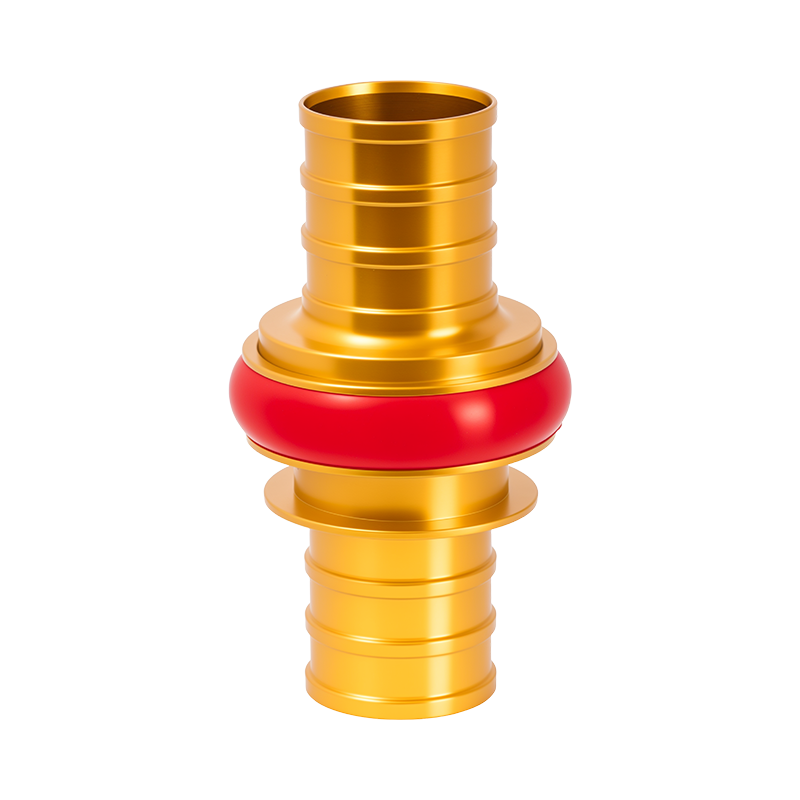
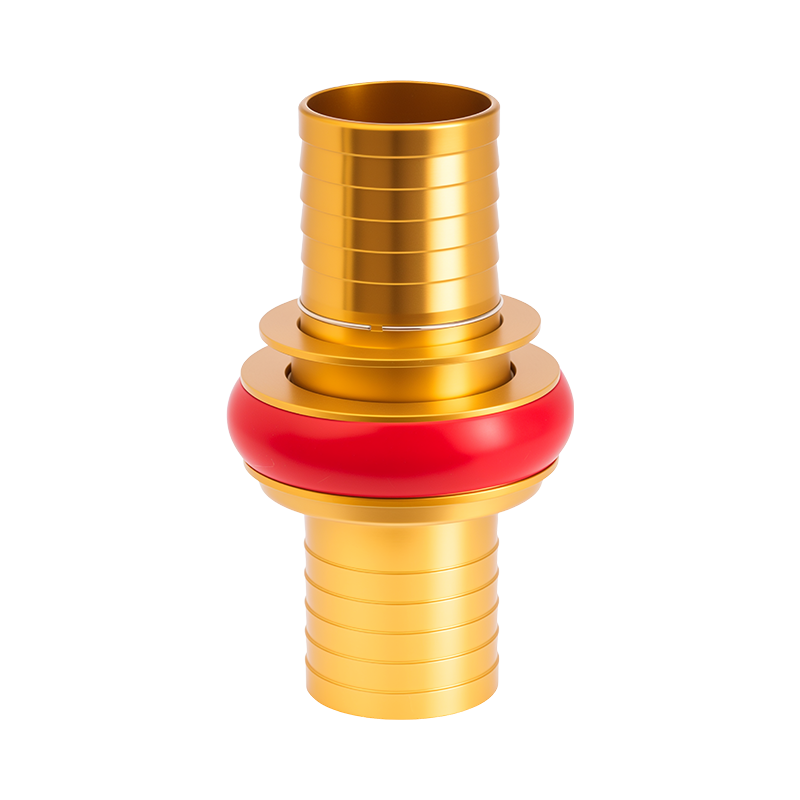
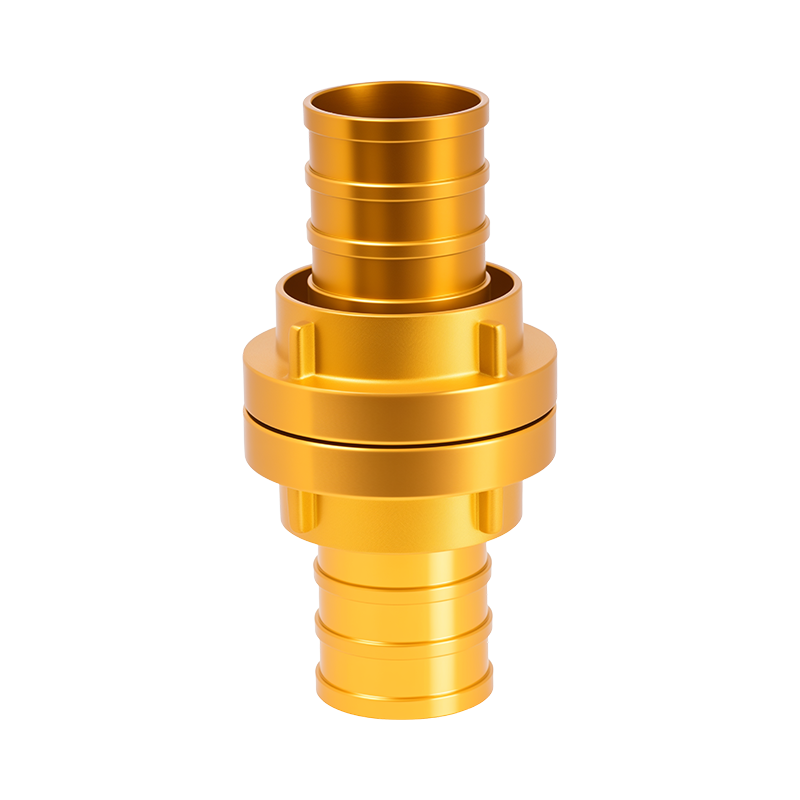
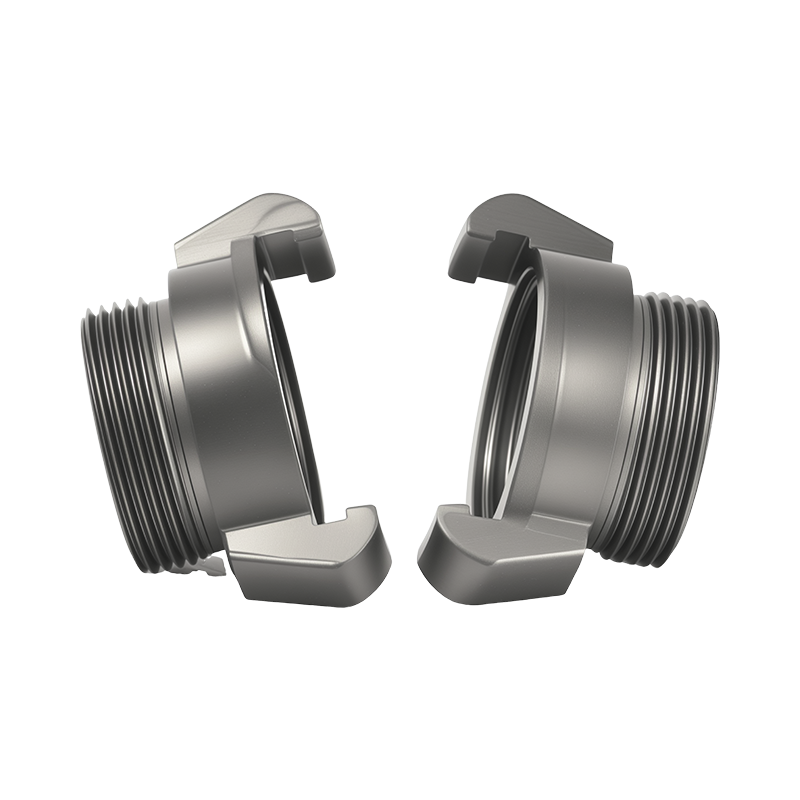

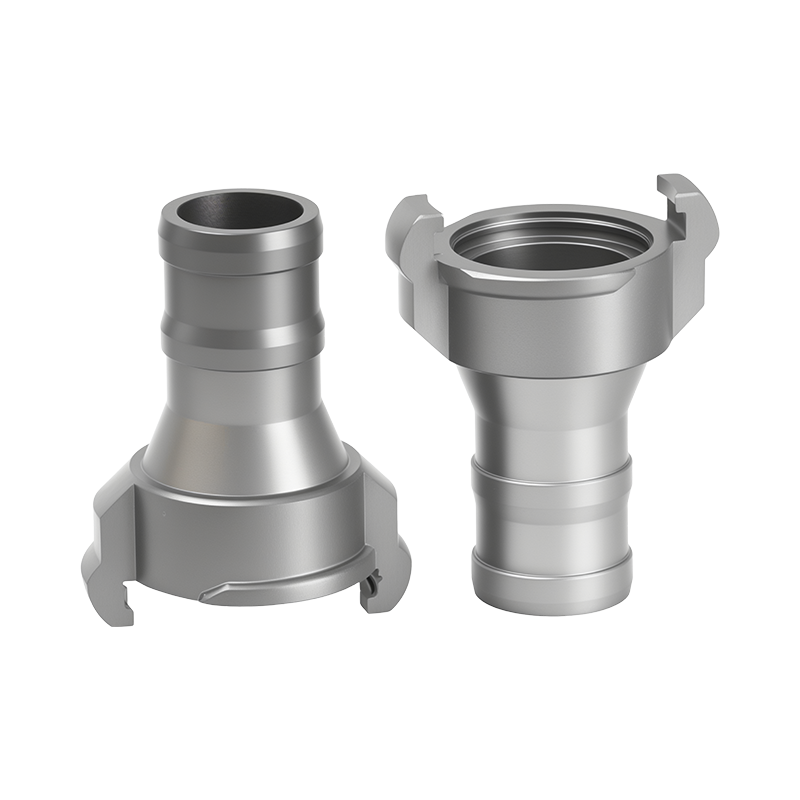
Zhejiang Taizhou Honghe Technology Co., Ltd. was established in 2019 as an emerging enterprise specializing in the R&D, manufacturing, and sales of firefighting equipment. It is a professional China Fire Hose Coupling manufacturer and wholesale Fire Hose Coupling factory. leveraging over a decade of industry experience.
Occupying a facility of over 2,000 square meters and powered by a dedicated team of more than 50 employees, including 3 technical engineers, the company is built for excellence.
Since its inception, Honghe Technology has adhered to the core principles of " Valuing Talent and Building Trust through Integrity." We bring together industry experts to integrate advanced international information technologies, management models, and business practices with the specific needs of domestic enterprises. Our commitment is to provide comprehensive solutions that enhance our clients' management efficiency and production capabilities. By doing so, we empower them to maintain a competitive edge in a dynamic market and achieve rapid, sustainable growth.

Custom Instantaneous Fire Coupling
As a professional fire hose coupling manufacturer, Honghe specializes in providing high-strength, high-precision connection solutions for firefighting systems worldwide.
Fire hose couplings are critical connecting components in firefighting equipment, primarily used to quickly and securely connect hoses, nozzles, pumps, and valves, ensuring efficient water flow. Our products include threaded, quick-connect, lockable, and swivel configurations, adapting to various firefighting standards and operating environments.
Precision-machined from high-quality aluminum alloy or brass, with an anodized or electroplated surface, they offer excellent pressure resistance, corrosion resistance, and wear resistance. Precise threading ensures a reliable seal, ensuring leak-proof operation even under high-pressure water flow. Select models feature a non-slip grip and quick-release mechanism for enhanced ease of use and connection efficiency.
Our factory utilizes comprehensive CNC machining and testing systems, offering custom services in a wide range of specifications. With consistent quality, flexible compatibility, and rigorous quality management, our fire hose couplings are widely trusted in urban firefighting, industrial safety, and emergency rescue sectors.
About
Zhejiang Taizhou Honghe Technology Co., Ltd.
News
-
Product Role in Fire Response Systems Fire control environments in industrial zones often require directional water delivery tools that can ...
View More -
Understanding Aluminum Fire Hose Fittings Aluminum fire hose fittings are essential components in modern firefighting systems. These fitting...
View More -
Firefighting systems depend on stable and fast hose connections. The Instantaneous Fire Coupling plays a central role in linking hoses, pump...
View More -
Efficient firefighting systems rely on stable water transmission from pumps to nozzles. At the center of this connection network stands the ...
View More
Message Feedback
Fire Hose Coupling Industry knowledge
Q1: What role do hose couplings play in firefighting operations?
In firefighting systems, hose couplings are essential components that enable water to flow from the source to the point of discharge. A Forestry Hose Coupling is commonly used in field operations where rapid hose deployment is required. These couplings allow firefighters to connect or disconnect hose lines efficiently, even in challenging outdoor environments.
Reliable coupling performance ensures stable water delivery, which is critical when responding to fast-moving fires or working in remote areas.
Q2: Why are instantaneous couplings widely used in fire equipment?
An Instantaneous Fire Coupling is designed for quick engagement without the need for extensive threading. This connection method supports rapid assembly, which is valuable during time-sensitive emergency situations. The design typically relies on lugs or hooks that lock into place with a short rotation.
Such couplings reduce connection time and minimize the physical effort required, especially when firefighters are wearing protective gloves or operating under limited visibility.
Q3: How does manufacturing influence coupling reliability?
A Fire Hose Coupling Factory plays a key role in ensuring dimensional accuracy and material consistency. Manufacturing processes focus on precision machining and controlled material selection to maintain uniform performance across batches.
Factories often implement inspection steps to verify connection tolerances and pressure resistance. Consistent production standards help ensure that couplings from different production runs remain interchangeable and compatible with existing hose systems.
Q4: What makes forestry hose couplings suitable for outdoor firefighting?
A Forestry Hose Coupling is typically designed for lightweight hoses used in wildland and brush firefighting. These applications require equipment that is easy to transport over uneven terrain and quick to assemble in the field.
The coupling design supports repeated connection cycles without excessive wear. This durability helps maintain dependable performance during extended operations in forested or rural areas.
Q5: How are instantaneous fire couplings integrated into broader systems?
An Instantaneous Fire Coupling is commonly used at hose junctions, pump outlets, or nozzle connections. Its standardized interface allows firefighters to connect hoses from different sources without complex adjustments.
By supporting fast transitions between hose sections, this coupling type helps maintain continuous water flow. This is particularly important when extending hose lines over long distances or adjusting layouts during active firefighting.
Q6: What factors are considered during coupling selection?
Selection depends on operating environment, hose size, and connection frequency. Products from a Fire Hose Coupling Factory are typically offered in multiple configurations to suit various firefighting scenarios.
Key considerations include pressure rating, ease of handling, and compatibility with existing equipment. Choosing the appropriate coupling supports safer operation and reduces connection errors during emergencies.
Q7: How does quality control support long-term performance?
Quality control ensures that each Forestry Hose Coupling meets functional requirements before leaving the factory. Testing may include pressure simulation, dimensional checks, and visual inspection for surface defects.
For an Instantaneous Fire Coupling, smooth engagement and secure locking are evaluated to confirm that the coupling performs reliably under operational stress. These steps help maintain consistent performance across different firefighting units.
Q8: What maintenance practices help extend service life?
Routine inspection is important for all coupling types. Components from a Fire Hose Coupling Factory should be checked for wear, deformation, or debris that could affect sealing performance.
Cleaning after use helps prevent buildup that may interfere with engagement. Proper storage also reduces exposure to environmental damage, supporting continued usability in future operations.
Fire hose couplings are vital links in firefighting water delivery systems. Through careful manufacturing, appropriate selection, and regular maintenance, fire hose couplings continue to contribute to effective emergency response across diverse firefighting environments.
-
 (+86) 18968568369
Give Us A Call
-
 [email protected]
Drop Us a Line
-
 No. 32, Mechanical and Electrical Industrial Park, Donghai Avenue, Yuhuan City

Zhejiang Taizhou Honghe Technology Co., Ltd. is an emerging enterprise focusing on the research and development, production and sales of fire fighting equipment.
© 2025 Zhejiang Taizhou Honghe Technology Co., Ltd.
Forestry Hose Coupling Supplier
